
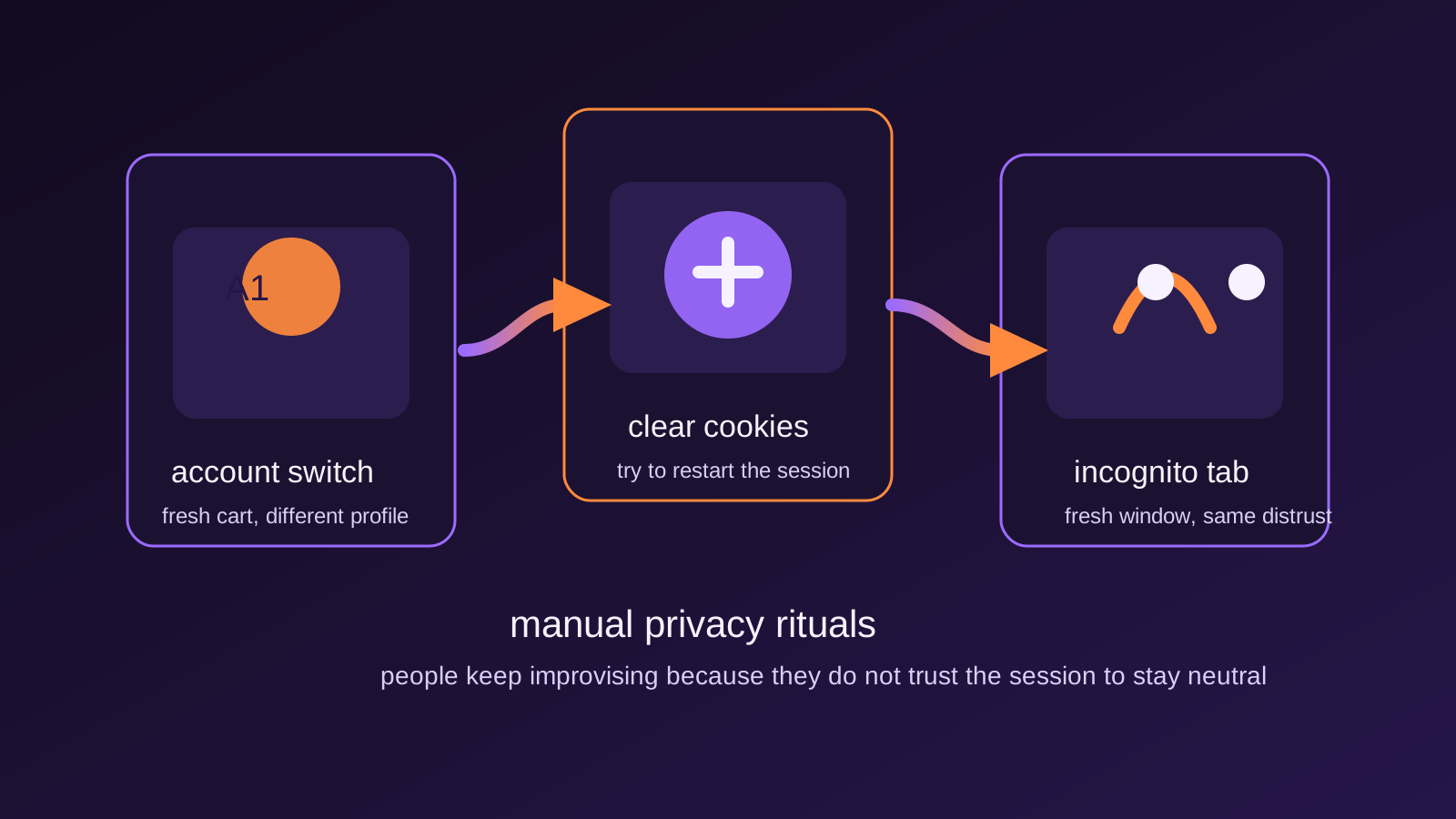
The modern shopping ritual is strangely technical for something that should feel simple. People open incognito windows before booking travel. They compare prices from another device. They sign out, clear cookies, rebuild the cart, or try a second account. Sometimes those rituals are based on rumor. Sometimes they are based on a real past surprise. Either way, the behavior itself is a signal that trust in the shopping session has already broken down.
Travel coverage captures this mood well because the ritual is so widely shared. NerdWallet and Thrifty Traveler have both had to explain, repeatedly, whether incognito mode actually gets people cheaper flights. Those articles matter even when they debunk part of the myth. They show that enough users suspect repeat searches and session history can change the experience that they are willing to change their own behavior first. In other words, shoppers are already improvising privacy defense without having good tools for it.
The problem is that some of these rituals only solve part of the issue. EFF's Cover Your Tracks project is useful here because it shows that browsers can still look distinctive even when the cookie story is not the whole picture. Clearing stored state may reduce some continuity. It does not automatically make the session hard to recognize if the device, browser configuration, and surrounding context remain highly legible.
Pew Research Center's privacy findings help explain why people keep doing these awkward workarounds anyway. Most Americans said they feel concerned about how companies use their data and believe the risks of collection outweigh the benefits. Once that baseline exists, small defensive rituals start making emotional sense. Even if the user cannot prove exactly what changed, they no longer assume the system deserves passive trust.
That is why account switching and cookie clearing deserve a more sympathetic reading than people sometimes give them. They are not just superstition. They are user-generated attempts to regain bargaining power in a system that feels asymmetrical. The person may not know whether the risk is tracking, profiling, ranking, or price pressure. They only know that acting like a fresh visitor sometimes feels safer than acting like themselves.
cloak should learn from those rituals instead of mocking them. The goal is not to tell people they are irrational for clearing state or switching devices. The goal is to build better, more visible protection so they do not have to rely on manual hacks alone. A real privacy-defense layer should make the self-defense instinct legible, honest, and less burdensome at the exact moment people feel most watched.