
A lot of people reach for a browser extension at the exact moment the web starts feeling invasive. That instinct is reasonable. Extensions are one of the few privacy tools that can act directly inside the session while the page is loading, the trackers are attaching, and the shopper is still deciding whether to continue.
The case for using them is straightforward. Princeton's large-scale tracking measurements found major tracker infrastructure across a huge share of popular sites. California's settlement with Sephora made the same point from the enforcement side: ordinary website and app trackers can amount to a meaningful data-sharing problem, not just a harmless analytics footnote. If tracking is built into normal commerce pages, tools that can block or limit those calls matter.
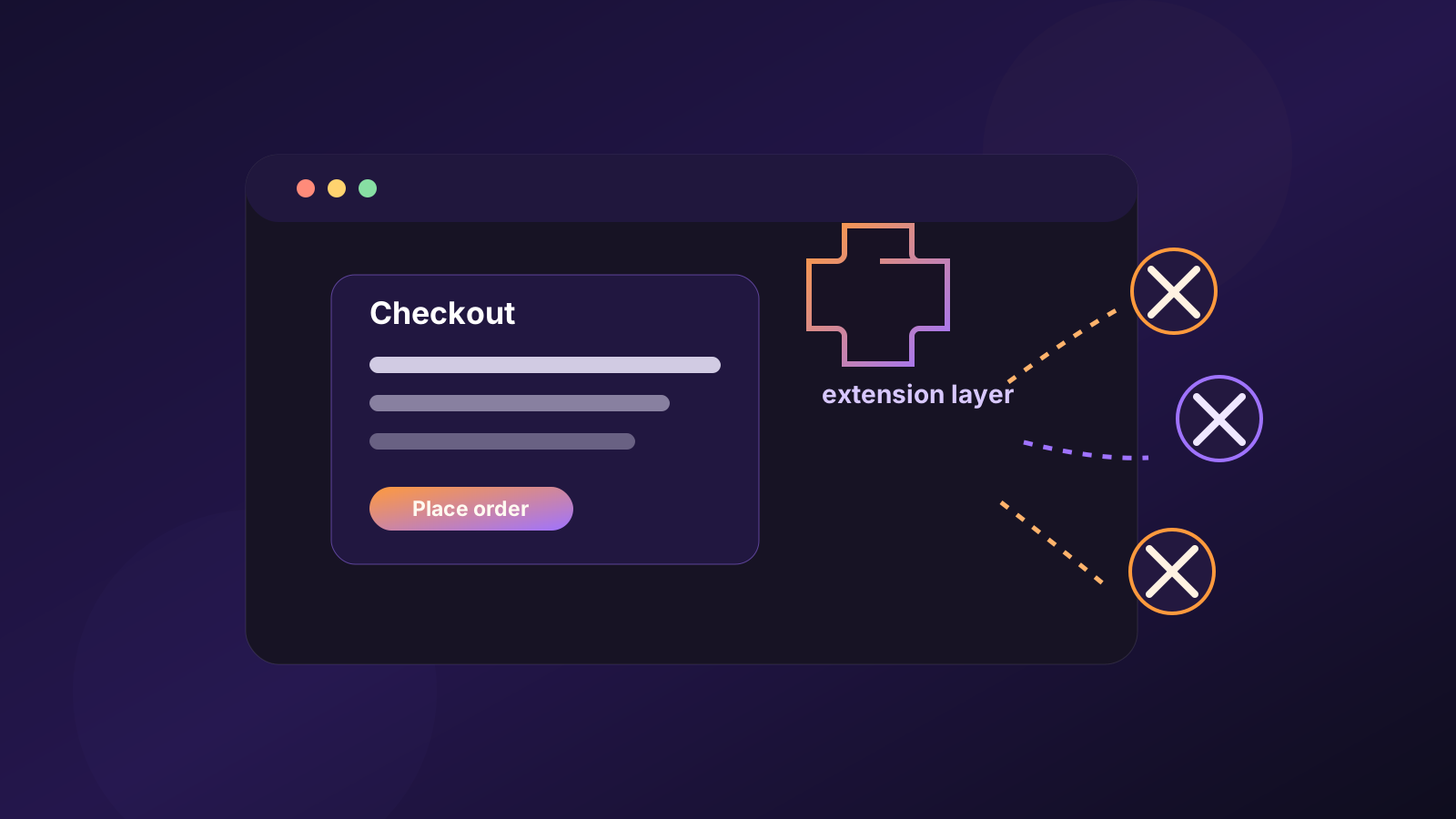
At checkout, a strong extension can do three useful things. First, it can block or suppress some third-party requests before they leave the page. Second, it can reduce obvious continuity signals, such as noisy referral or tracking parameters that help glue the session together across partners. Third, it can make the moment legible by telling the shopper what it saw and why the page feels riskier than it did a minute ago.
But the limits matter too. EFF's Cover Your Tracks shows why cookie blocking alone is not enough: browsers can still look distinctive from fingerprintable attributes. An extension also cannot retroactively delete every profile a merchant, broker, or adtech network has already accumulated elsewhere. If you are logged in, using a saved card, or arriving from a deeply identified device context, the extension is entering a session that may already have a lot of continuity attached.
Princeton's session replay research is a useful reminder that the privacy problem is not only one obvious tracker pixel. Commerce pages can include analytics or replay tools that capture much more of the interaction than users expect. A serious extension can reduce some of that exposure, but it still has to work within browser permissions, site breakage risks, and the basic reality that some collection is baked into the flow the user chose to open.
So what can browser extensions actually do for privacy at checkout? A lot, if they stay honest. They can reduce hidden collection, strip some high-value signals, and warn when the page starts behaving like a pressure machine. What they cannot do is promise total invisibility. The useful standard is not magic. It is leverage in the moment that matters most.