
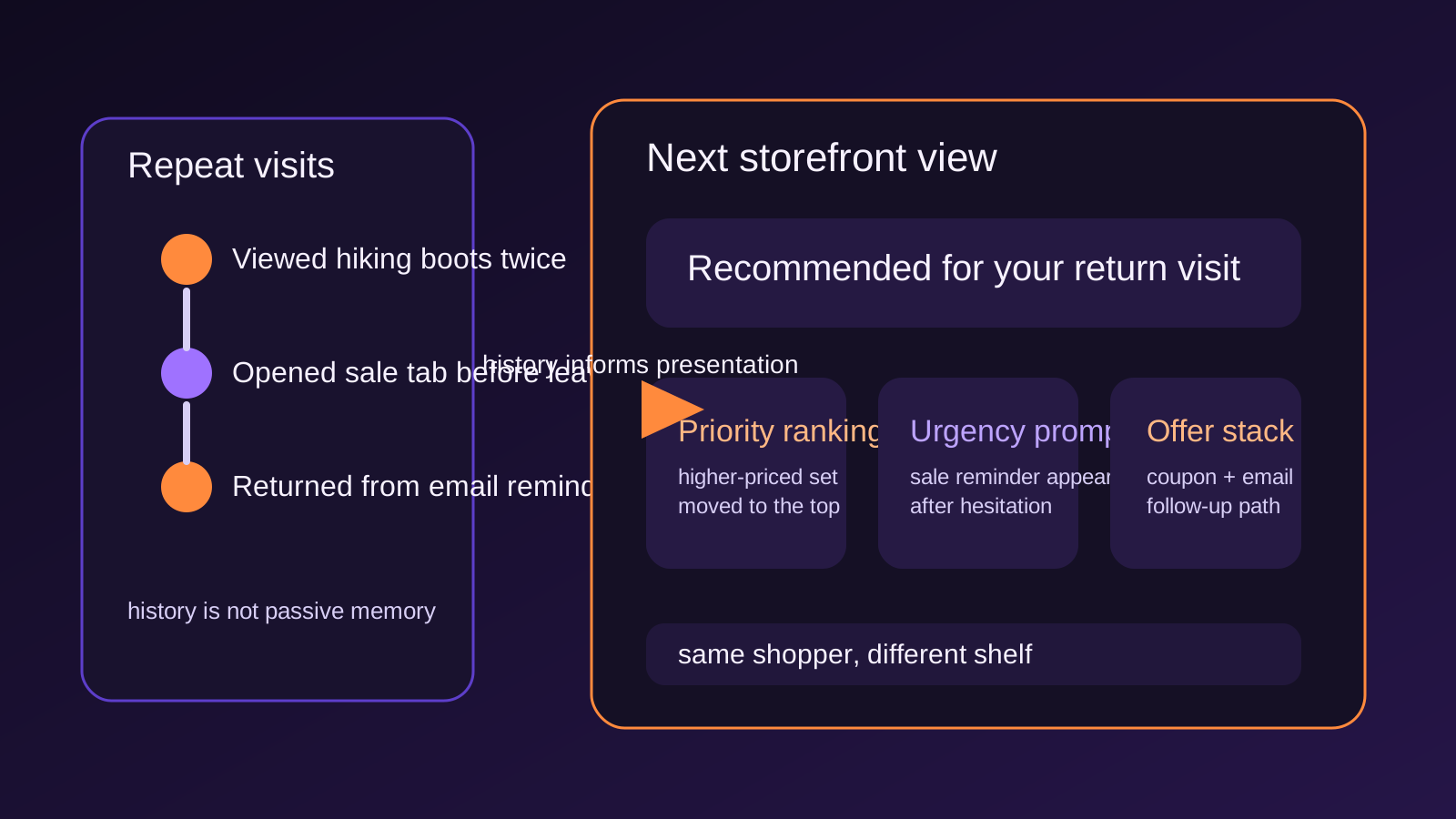
A lot of people think browsing history matters only because it preserves convenience. The site remembers the cart, the recently viewed products, maybe the last size you clicked. That is the friendly version. The harder version is that browsing history also gives the merchant another chance to sort the shopper: who keeps returning, who compares heavily, who stalls at the same item, and who may respond to a stronger nudge the next time around.
The FTC's 2024 surveillance-pricing inquiry is the clearest regulator signal here. The agency said companies may use data such as browsing behavior, purchase history, demographics, and location to influence what people are shown or charged. That matters even when the page never announces a dramatic price jump. What gets shown next can include ranking, discount emphasis, urgency cues, recommendation order, and which offer is made to feel most available at the moment of return.
Princeton's web-measurement work helps explain why this kind of adaptation is operationally plausible at scale. Tracking infrastructure is widespread across the modern web, which means browsing history is rarely just one merchant's private notebook. The same session can be observed, enriched, or linked through a larger measurement ecosystem. A return visit may therefore carry more context than the shopper realizes, even before they log in again.
The old Orbitz story remains useful because it turned an abstract fear into a concrete consumer experience. The Wall Street Journal reported that Orbitz learned Mac users tended to spend more and then showed them pricier hotels first. Device type is not the same thing as browsing history, but the lesson is closely related: what the page knows about you can influence what it chooses to foreground. The relevant privacy problem is not only the final price. It is the storefront's power to decide what version of the market you get to see.
That helps explain why repeat sessions often feel subtly different. A product grid can suddenly feel more urgent. A reminder can sound more insistent. A recommendation stack can become narrower and more confident. None of that proves malicious intent in every case. It does show why browsing history is commercially valuable: it gives the store another chance to shape the decision environment instead of simply displaying the same neutral shelf again.
Pew's privacy research shows shoppers already feel the asymmetry. Most people do not know which exact model or vendor is behind a changing page, but they know the experience can stop feeling static and start feeling responsive in a way that is hard to inspect. cloak's job is to make that response visible. The issue is not memory by itself. It is memory being used to quietly change what comes next.