
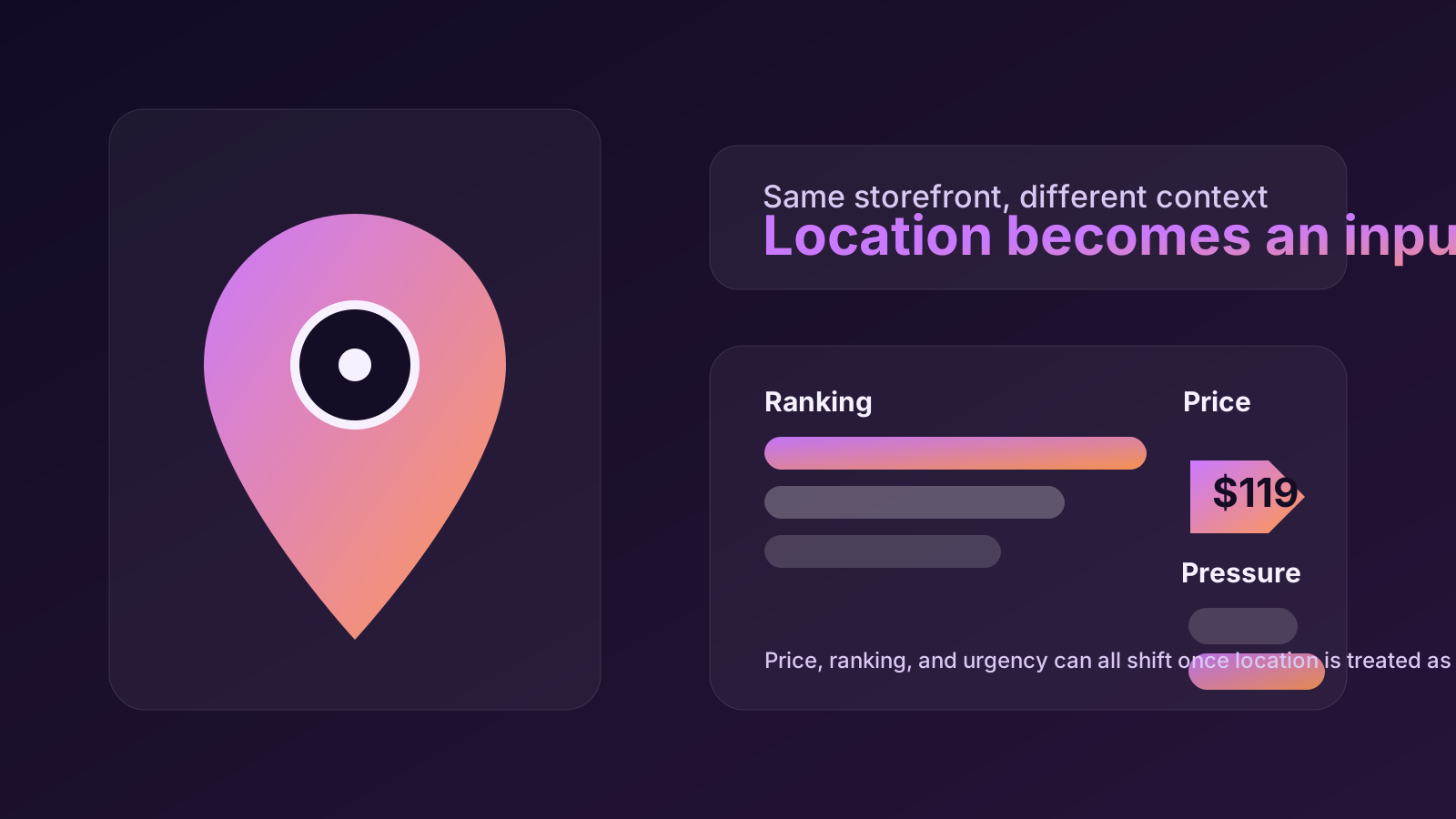
Shoppers often talk about location as if it only matters for shipping estimates. In reality, location can be an input into much more than delivery time. It can affect the price you see, the products or hotels that rise to the top, and the type of urgency the page decides to apply once it thinks it understands your market context.
The Staples example remains one of the clearest public cases. The Wall Street Journal reported that Staples changed online prices depending on how close a shopper was to competing stores. That matters because it turns a simple geographic fact into a commercial decision variable. Two people can arrive at the same site and still meet a meaningfully different store logic before either one checks out.
The FTC's surveillance-pricing inquiry makes the pattern feel current rather than historical. In 2024 the agency ordered information from companies about the use of data like browsing behavior, demographics, purchase history, and location to steer prices or offers. Again, the careful claim is not that every merchant is running a proven discriminatory model. The careful claim is that location is now recognized as one of the data streams that can shape what a consumer sees and pays.
Location data also carries a second privacy risk: it escapes the checkout context. The FTC's case against Kochava alleged the company sold precise geolocation data that could trace people to sensitive places such as clinics, shelters, and places of worship. That example is not about ecommerce pricing directly, but it shows why location should never be treated as harmless metadata. Once collected, it can become a profile signal with very different downstream uses than the shopper imagined.
That is why location can shape prices, ranking, and pressure at once. It tells a site something about your options, your market, and potentially your vulnerability. cloak cannot prove every black-box decision inside a merchant's stack, but it can make the surrounding inputs more visible and harder to collect. For a shopper, that is often the first real step toward a fairer, calmer decision environment.