
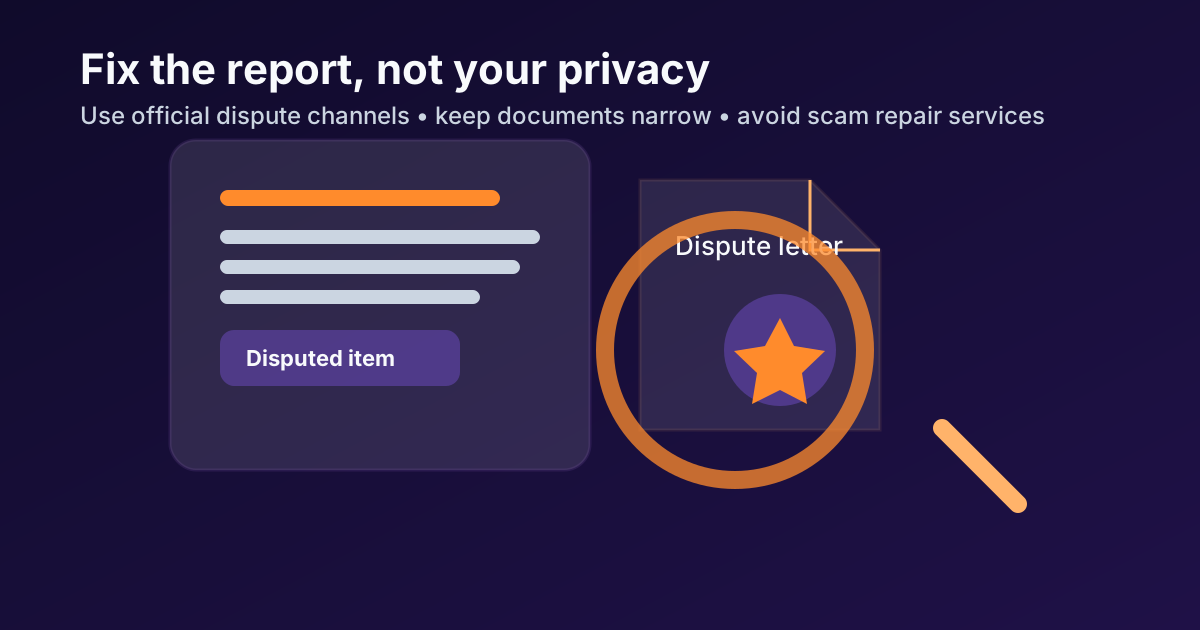
Credit report dispute privacy risk begins with a question many people search after a loan rejection, a surprise collection notice, or a weird score drop: how do I fix a mistake on my credit report without exposing more of my personal life? The dispute process is legitimate and often necessary, but it is also a data-rich workflow. To correct the file, you may need to identify yourself, describe the error, upload evidence, and explain the account or tradeline you are disputing. That means the repair path can reveal a lot about your finances before the file is actually fixed.
The CFPB says consumers should dispute errors with the credit reporting company, and it provides sample letters for disputes sent to both the reporting company and the furnisher that supplied the information. That is useful, but it also means your dispute may travel through more than one organization. Your name, address history, account numbers, balance details, payment status, and supporting documents can be copied, reviewed, routed, and retained in multiple systems. If you are disputing something private, like a medical collection, an account opened by identity theft, or a debt tied to a painful family event, the exposure is bigger than just one mailed letter.
The documents you submit can also be revealing. A dispute package may include a credit report with disputed items highlighted, a billing statement, identity documents, proof of address, police reports, FTC identity-theft paperwork, or old correspondence with a lender or collector. That bundle can show more than the single error you are trying to fix. It may expose spending patterns, old residences, employer information, co-signed accounts, payment hardship, and the reason the account became messy in the first place. A repair process should not become a résumé of your worst financial month, but it can if you are careless about where you send the evidence.
The CFPB also notes that if you disagree with the results of a dispute, you can follow up and submit a complaint. That is important because people often need to keep pressure on the system. But it also means your trail can expand: more letters, more portals, more uploads, and more account details moving through support queues. If you are using a phone to scan documents, check where the images are saved and whether they sync to cloud backups or shared family albums. A dispute that lives forever in a camera roll is a privacy leak waiting to happen.
FTC identity-theft guidance is relevant whenever a dispute is about an account you did not open or a debt you do not recognize. The same information used to dispute a problem can also be used by an attacker to impersonate you if it lands in the wrong inbox. That is why the safest path is to use the official credit-reporting-company channels named on the report, avoid random dispute services that promise to erase items for a fee, and keep your dispute language factual and narrow. You only need to prove the error, not tell the whole story of your life.
A practical defense checklist is straightforward. Start from your free report or the official company contact listed on the report. Keep a clean copy of every letter and upload only the pages that support the disputed item. Do not email your full Social Security number unless the official channel specifically requires it. Use a separate email address for finance disputes if you want to keep the thread out of your main inbox. And if a site tries to sell you instant score repair, fast removal, or private-negotiation magic, treat that as a signal to slow down and verify.
cloak should treat credit-report disputes as a consumer-defense surface, not as a growth funnel. The right behavior is to help a person reach the real dispute channel, reduce unnecessary sharing, and warn when a third-party site is asking for more data than the correction requires. People deserve a way to fix errors without turning one bad line on a report into a new data leak. The goal is accuracy with restraint, not more surveillance in the name of cleanup.