
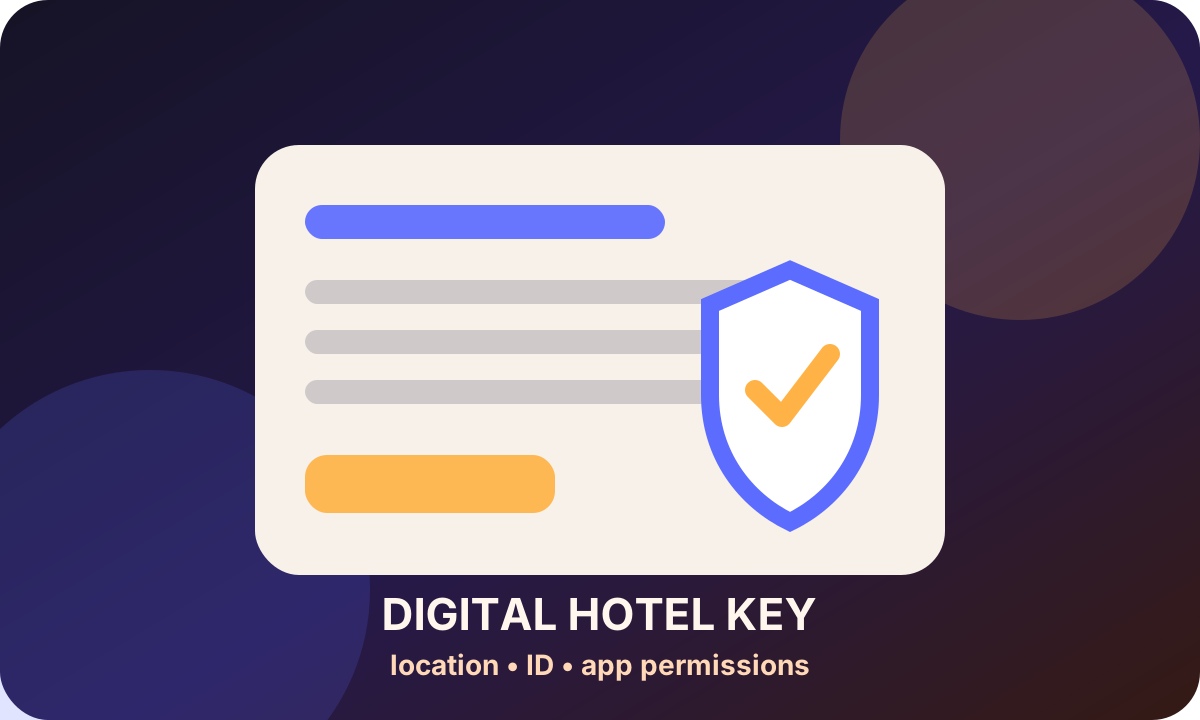
Hotel mobile check-in privacy risk is easy to underestimate because the feature feels like a pure convenience win. Skip the front desk, open the app, add a card, confirm arrival time, maybe upload an ID, and use a digital key. But that flow can reveal where you are going, when you arrive, who might be traveling with you, which device you use, whether you accept upgrades, which offers you ignore, and where your phone moves around the property.
The hotel already needs some information to manage a reservation. The privacy question is what the app and surrounding advertising stack learn in addition to the booking record. A mobile check-in flow can ask for location permission to find the property, Bluetooth to operate a room key, push notifications for arrival updates, camera access for document capture, wallet or card details for incidentals, and loyalty login data for points. Each permission can be defensible in isolation. Together, they make the phone a travel sensor at the exact moment a person is away from home.
Location data is the clearest danger signal. The FTC's Outlogic action described sensitive location data that could reveal visits to places such as medical facilities, places of worship, reproductive-health clinics, and shelters. The Mobilewalla action similarly focused on allegations around collecting and selling sensitive location data. A hotel stay is not automatically sensitive, but travel location can become sensitive quickly: a medical trip, family crisis, job interview, protest, court appearance, or undisclosed relationship can all look ordinary on a booking screen and deeply personal in a location trail.
Pew's privacy research helps explain why users feel uneasy even when they cannot name the exact tracker. Americans report broad concern and lack of control over company data collection. Hotel apps concentrate that feeling because the user is trading privacy for practical access: a key, a receipt, a room-ready alert, a parking code, or a late checkout request. The more essential the app becomes during a stay, the harder it is to say no to extra collection.
Fingerprinting and device recognition can add another layer. EFF's Cover Your Tracks project has long shown that browsers can be recognizable through combinations of device and software signals. A hotel flow can combine web booking, app login, loyalty ID, email click, card token, device model, IP address, and location permission. Even without a single invasive field, the travel session can become linkable across booking, check-in, upsell, Wi-Fi, food ordering, and post-stay review requests.
A practical defense starts before arrival. Use the website if the app is optional. If you need the app for a digital key, grant permissions only when needed and revoke location, Bluetooth, camera, and notification access after checkout if your phone allows it. Avoid signing into unrelated social or wallet accounts just to check in. Do not upload an ID until you are sure the domain and app are official. If you are traveling for a sensitive reason, consider whether a physical key and front-desk check-in reduce the digital trail.
cloak's framing matters because travel privacy is not separate from shopping privacy; it is the same profiling machinery following the person into a higher-stakes setting. A good privacy shield should flag app permission escalation, tracking pixels in confirmation emails, suspicious redirects, and excessive identity requests. The aim is not to make hotel technology impossible. It is to keep a room key from becoming a portable surveillance bundle.
The best hotel flow would make the privacy boundary obvious: booking data for the reservation, identity data for legal or fraud requirements, key data for room access, and optional marketing data only with a genuine choice. When those categories blur, the user cannot tell whether a location prompt is needed to open the door or useful for future targeting. Travelers deserve convenience that ends at checkout, not another cross-device profile waiting for the next trip.
People should also watch the quiet after-stay trail. Confirmation emails, folio receipts, satisfaction surveys, parking receipts, and loyalty prompts can keep linking the trip after the room key stops working. If the visit was sensitive, the privacy task is not finished at checkout; it includes limiting email pixels, deleting app permissions, and keeping the booking from becoming a permanent travel-intent segment.