
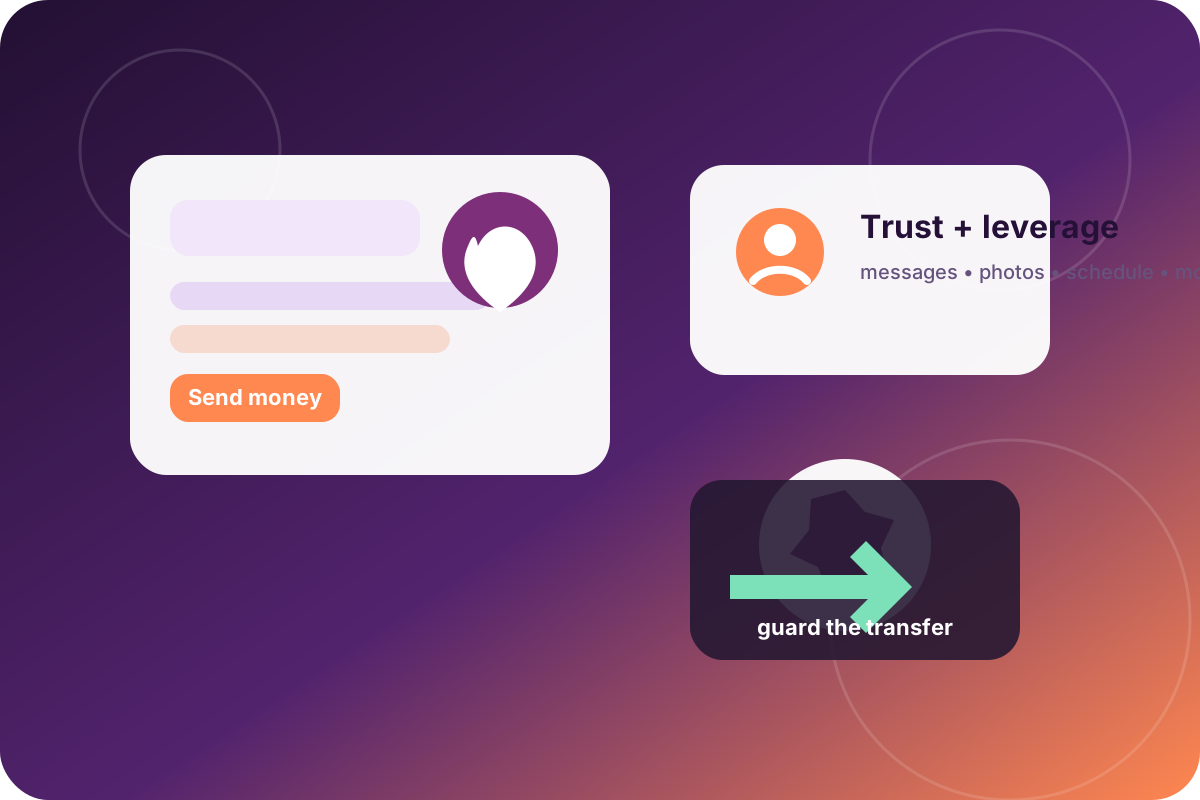
Romance scam privacy risk is bigger than the money people usually talk about after the fact. A scam can start with a message on a dating app, social platform, or text thread, then move off-platform where the conversation feels personal and private. The victim may share a phone number, email address, full name, home city, workplace, travel plans, family pictures, or schedule details long before they realize they are talking to a fraudster.
The FTC's romance scam guidance is important because it shows how these scams often work through emotional pressure, secrecy, and escalation. The scammer builds trust, invents urgency, and then asks for money, gift cards, crypto, or help with a crisis. But the privacy damage begins earlier, when the victim's ordinary life details become part of the script. A scammer who knows the victim's routine can reuse that information for future persuasion or sell it into other fraud networks.
That is why the issue is not only cash loss. A person who shares banking details, identity documents, or live location data may also create a broader security problem for themselves and their household. The same personal facts that make the scam convincing can also help with account takeover, password reset abuse, social engineering, or identity theft elsewhere. One manipulated conversation can become a reusable threat model.
The FTC's guidance on protecting personal information is the right baseline for any company that handles this kind of sensitive data. If a service can reduce what it collects, shorten retention, or keep off-platform chat from becoming a permanent archive, it should. The CPPA's data minimization standard points in the same direction: collect only what is reasonably necessary for the disclosed purpose and avoid turning a relationship into a data warehouse.
Dark patterns can make the exploitation worse. The FTC has warned that interfaces can steer people through hidden choices and emotional pressure. In scam settings, the dark pattern is not always a website design. It can be a message thread that rushes the victim, discourages independent verification, and uses just enough detail from the victim's profile to feel familiar. The result is a privacy failure wrapped inside a trust failure.
A practical defense is to keep the conversation on platform until you have independent proof that the person is real, to avoid sending money, gift cards, or crypto to someone you have not met, and to be cautious with photos that include location clues, children, addresses, or workplace details. Never share verification codes, bank logins, or live location with someone whose identity has not been checked outside the chat.
If a romance scam has already pulled sensitive information from you, the next steps are boring but important: change passwords, turn on stronger authentication, check account recovery settings, monitor financial accounts, freeze credit if necessary, and report the scam to the platform and the FTC. The goal is to cut off reuse, not just chase the first loss.
cloak's job in this category is to recognize the pattern early. A tool that warns about suspicious off-platform pressure, repeated requests for personal details, and identity-heavy links can help users see the risk before the scam becomes a larger household problem. Anti-exploitation means stopping the story while it is still a conversation, not after it turns into a dossier.
The best time to stop the spread is before the first transfer. If someone new quickly asks to move to a private channel, turns every answer into a test of loyalty, or insists that secrecy proves trust, treat that as a warning, not a compliment. Scammers often use the victim's own disclosures to build credibility, so even a small detail like a birthday, neighborhood, or vacation photo can matter. A private note of the conversation timeline, usernames, payment requests, and screenshots can help if you need to report the fraud and block reuse later.