
People search "how do websites know I came from the same ad?" when the click feels like it should have been one disposable moment, but the site still seems to remember the campaign, the offer, or the path that brought them in. The short answer is that ad clicks often arrive carrying campaign labels, click IDs, and referrer context that are specifically designed to make the visit legible to attribution and measurement systems.
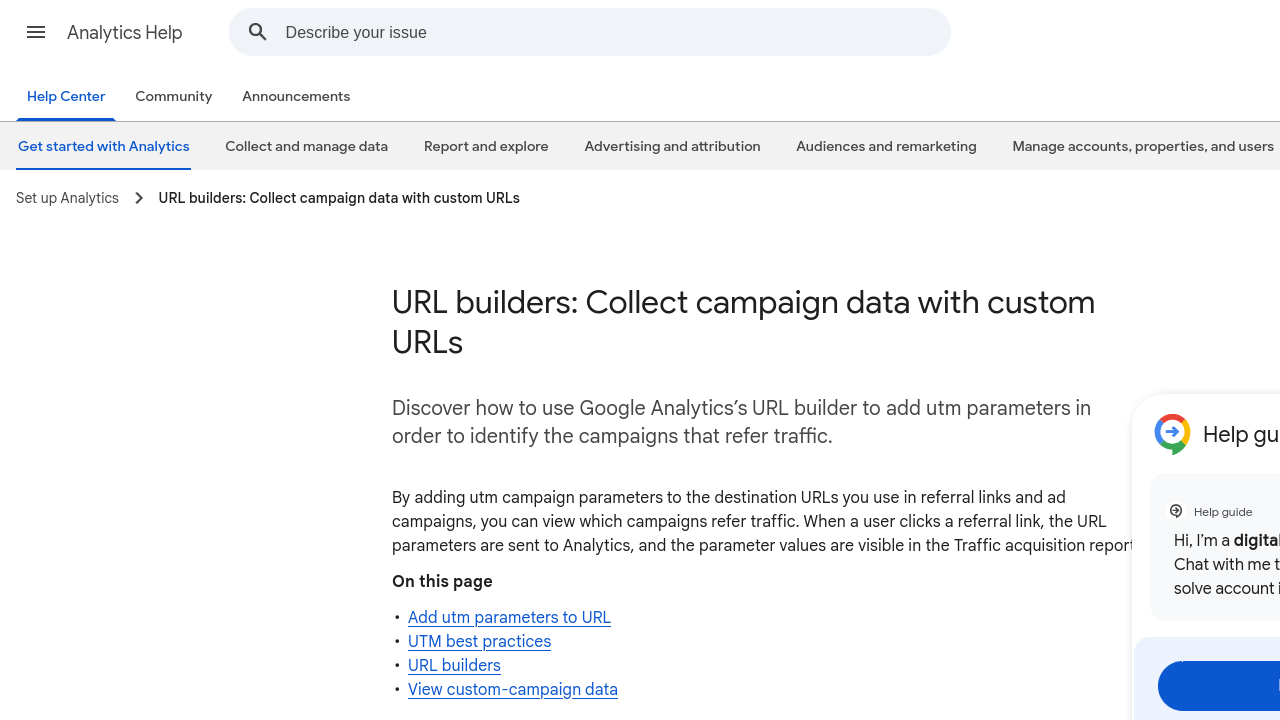
Google Analytics' URL-builder documentation is very explicit that UTM parameters are meant to collect campaign data. It recommends consistent values for source, medium, and campaign because those values feed acquisition reporting. In plain English, the extra labels on the URL help the analytics stack remember which ad or marketing path produced the session.
Google Ads says the same thing from the click-ID side. Auto-tagging automatically adds a parameter to landing-page URLs so measurement programs can track ad performance and offline conversions. That matters because it shows how a shopping visit can arrive with a ready-made identifier whose whole job is to preserve where the click came from.
MDN's documentation for document.referrer explains another ordinary clue. Pages can see the referring URL for the navigation that led to the current document. Even when a user never notices that handoff, the destination page may still learn which upstream page or domain sent the visit.
MDN's document.cookie page explains the next step. Page scripts can read and write cookies associated with the current document. That makes it technically ordinary for a site to take campaign clues that arrived in the URL or referrer context, copy part of that information into first-party state, and keep using it after the clean-looking address bar is gone.
Not every parameter is equally invasive, and not every referral tag is malicious. Some exist for analytics hygiene, campaign attribution, or affiliate logic. The privacy issue is that a session can quietly accumulate many of these clues at once, and the shopper rarely gets a plain-English explanation of which ones are still riding along or where they get copied next.
That is why the answer is bigger than "delete ugly URL junk." Campaign params, click IDs, referrer data, and session IDs matter because they preserve continuity. They help a site remember how the buyer arrived, distinguish one marketing path from another, and maintain a bridge between ad exposure, browsing behavior, and later outcomes like account creation or checkout completion.
For cloak's specialized cluster, this is where URL cleanup becomes more than aesthetic. Stripping obvious tracking parameters, watching for cookie writes, and naming the identifiers that were removed all help break cheap linking paths before the rest of the profile stack gets stronger. That does not erase every form of recognition, but it does make the trail shorter and less portable.
The practical user question is simple: if a shopping session starts with clues that explain which ad brought you in, and the page can turn those clues into longer-lived state, how much of that ad context keeps following you after you thought the click was over? That is the real reason these little identifiers deserve more attention than they usually get.