
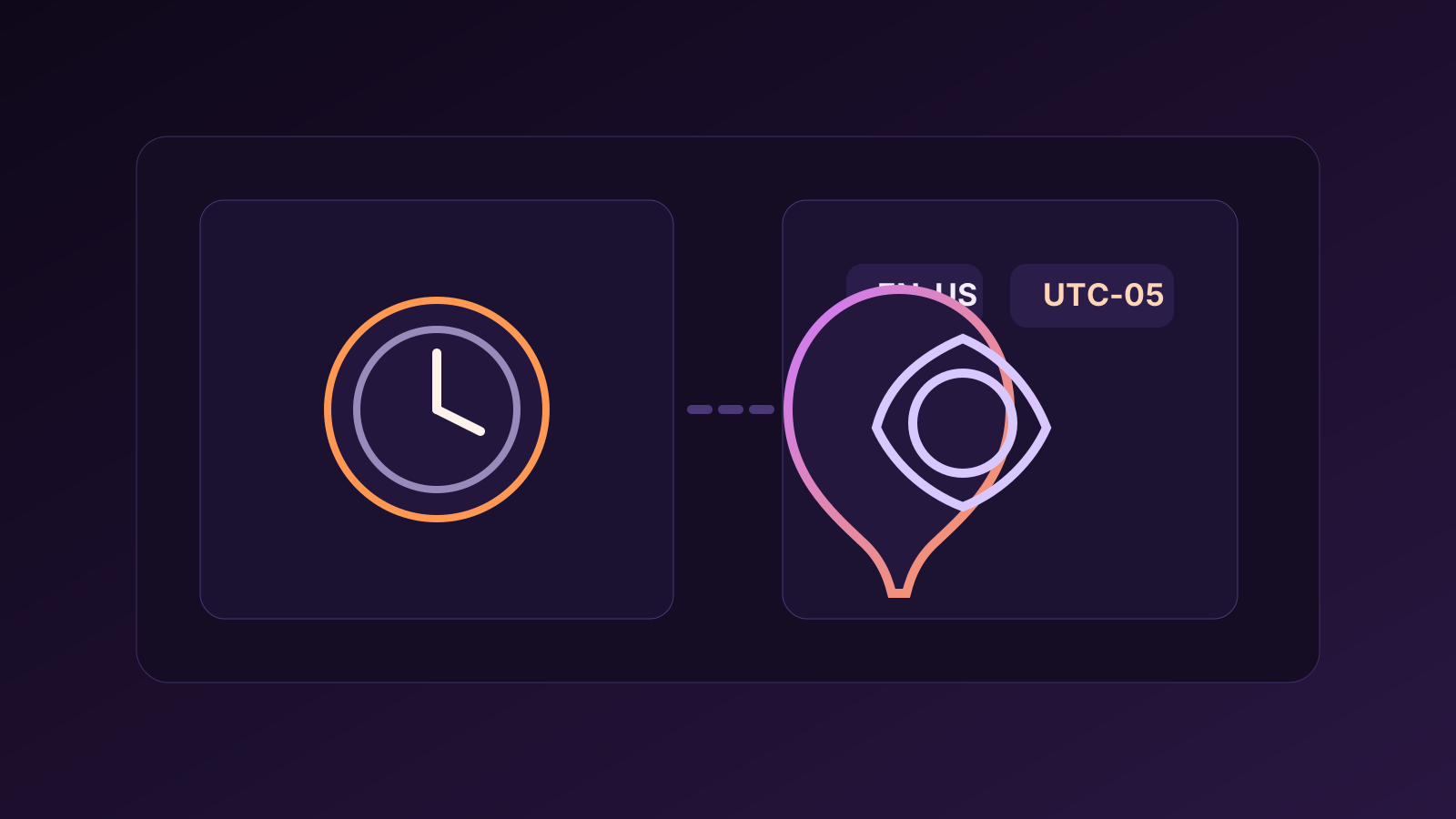
Language and timezone do have legitimate uses. They help a page choose copy, estimate delivery windows, or show the right local clock. The privacy problem starts when those settings stop being treated as convenience and start being treated as identifying clues. A browser fingerprint is built from many small details, and the power comes from the combination. One signal may be common. Several signals together can become unusually distinctive.
EFF’s Panopticlick research remains one of the clearest explanations of this dynamic. The project showed that browsers could be highly unique from fingerprintable attributes even without relying on classic cookies alone. The paper is useful not because it says language or timezone are the only factors that matter, but because it shows how ordinary environmental details contribute to recognizability once the page starts collecting them together.
More recent academic work keeps the lesson current. The 2023 paper Characterizing Browser Fingerprinting and its Mitigations analyzes how fingerprinting scripts continue to gather combinations of browser and device features and how defenses behave in practice. That matters because the issue is not one quirky setting. It is that modern fingerprinting systems can keep assembling enough entropy from multiple harmless-looking fields to preserve continuity across visits.
Princeton’s web-transparency measurement helps explain why that continuity matters commercially. Tracking infrastructure is common across ordinary websites, including shopping surfaces. If a browser stays distinctive enough and the page already contains analytics or marketing code, the system does not need dramatic spyware to keep context alive. The shopper can return, compare, hesitate, and still look familiar to the surrounding stack.
EFF’s Cover Your Tracks makes the user-level takeaway brutally simple: a browser can still look unique even when the person believes they cleared the obvious tracking state. Language and timezone are especially easy to miss because they feel like passive defaults rather than choices with privacy weight. But in a fingerprint they can help separate one browser from another, especially when combined with screen geometry, rendering behavior, and hardware-linked details.
That is why browser language and timezone belong in the cloak story. A real privacy tool should not only block the loudest trackers. It should also reduce how much quiet entropy the browser leaks by default and make the remaining exposure understandable in plain English. The user should be able to see when ordinary localization settings have become part of a repeatable identity signal instead of a harmless convenience feature.