
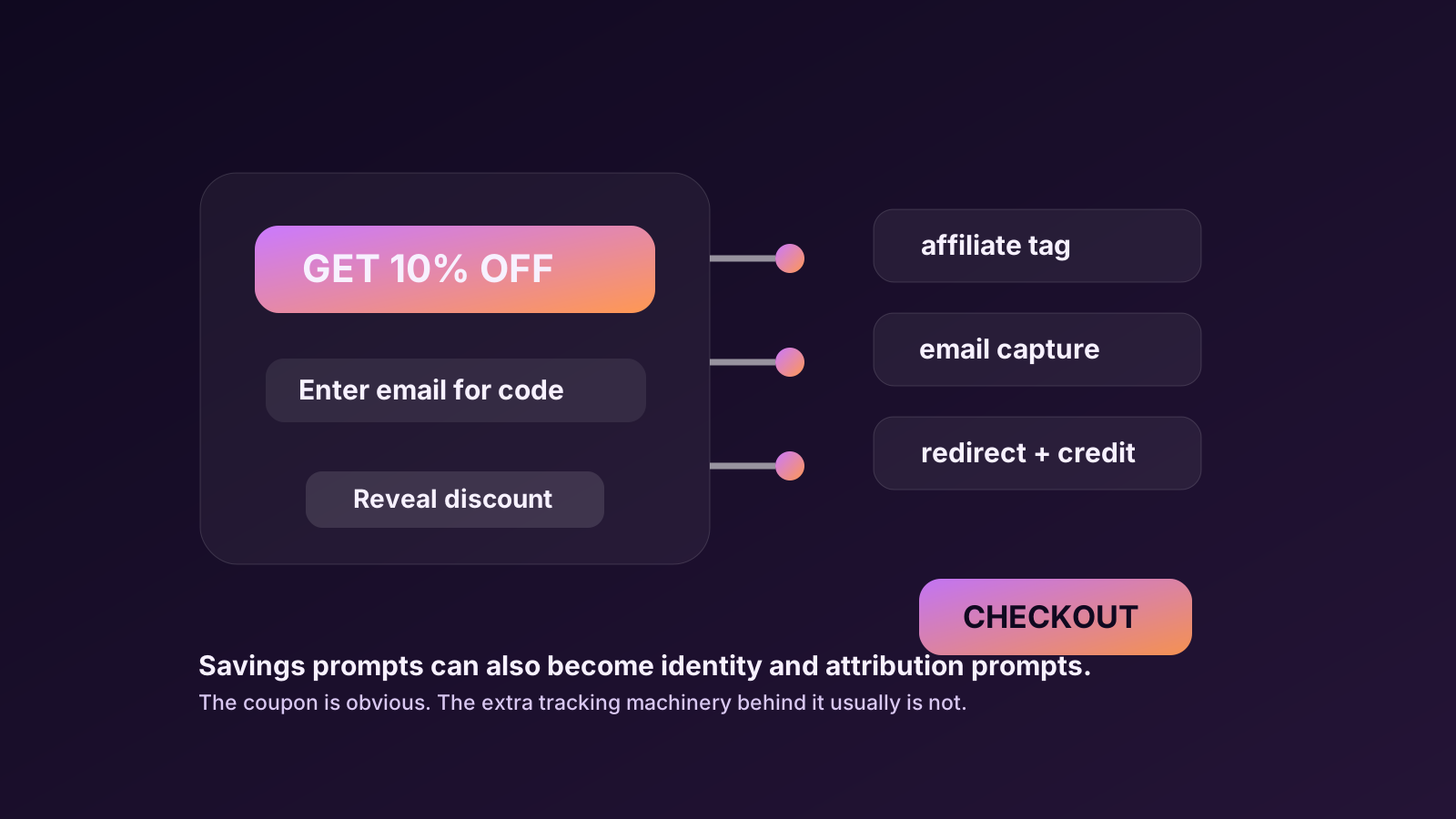
Coupon popups feel shopper-friendly because they speak the language of savings. The privacy problem is that they often arrive at the exact moment when a checkout is already crowded with measurement, retargeting, and attribution systems. Instead of being just a code field or a helpful nudge, the popup can become one more reason to keep the shopper engaged, identifiable, and traceable all the way through the last click.
The affiliate layer matters here. Shopify's affiliate-marketing guide explains the basic model plainly: a partner sends a shopper to a merchant and gets credit when the purchase is attributed back to that referral. That is not inherently abusive, but it does mean coupon surfaces, deal pages, and last-minute redirects are not only about generosity. They are also part of a tracking and credit-assignment system that cares about who influenced the purchase and when that claim was captured.
Identity can sneak in too. Prebid's Unified ID 2.0 documentation shows why email and phone-based identifiers are strategically valuable to ad and identity systems: they are more durable than a fragile cookie and easier to reconnect across time and context. So when a coupon prompt asks for an email before revealing the offer, the exchange may be doing more than unlocking a discount. It may be converting a near-finished checkout into a reusable identity handle.
The FTC's dark-patterns report is useful because it names the broader design logic around these moments. Interfaces can use interruption, confusion, and pressure to steer people into choices they would not otherwise make. A coupon popup that blocks the path, obscures the close action, or implies the shopper is foolish not to engage is not just annoying. It is part of the same manipulative design family that turns a vulnerable checkout into a higher-yield decision environment.
That is why coupon popups and affiliate tags deserve more scrutiny than they usually get. The visible promise is a smaller total. The less visible reality can include attribution tracking, identity capture, and extra parties attached to the purchase moment. cloak should treat those surfaces as meaningful checkout signals, because privacy defense is strongest exactly where discount theater and hidden measurement start to overlap.