
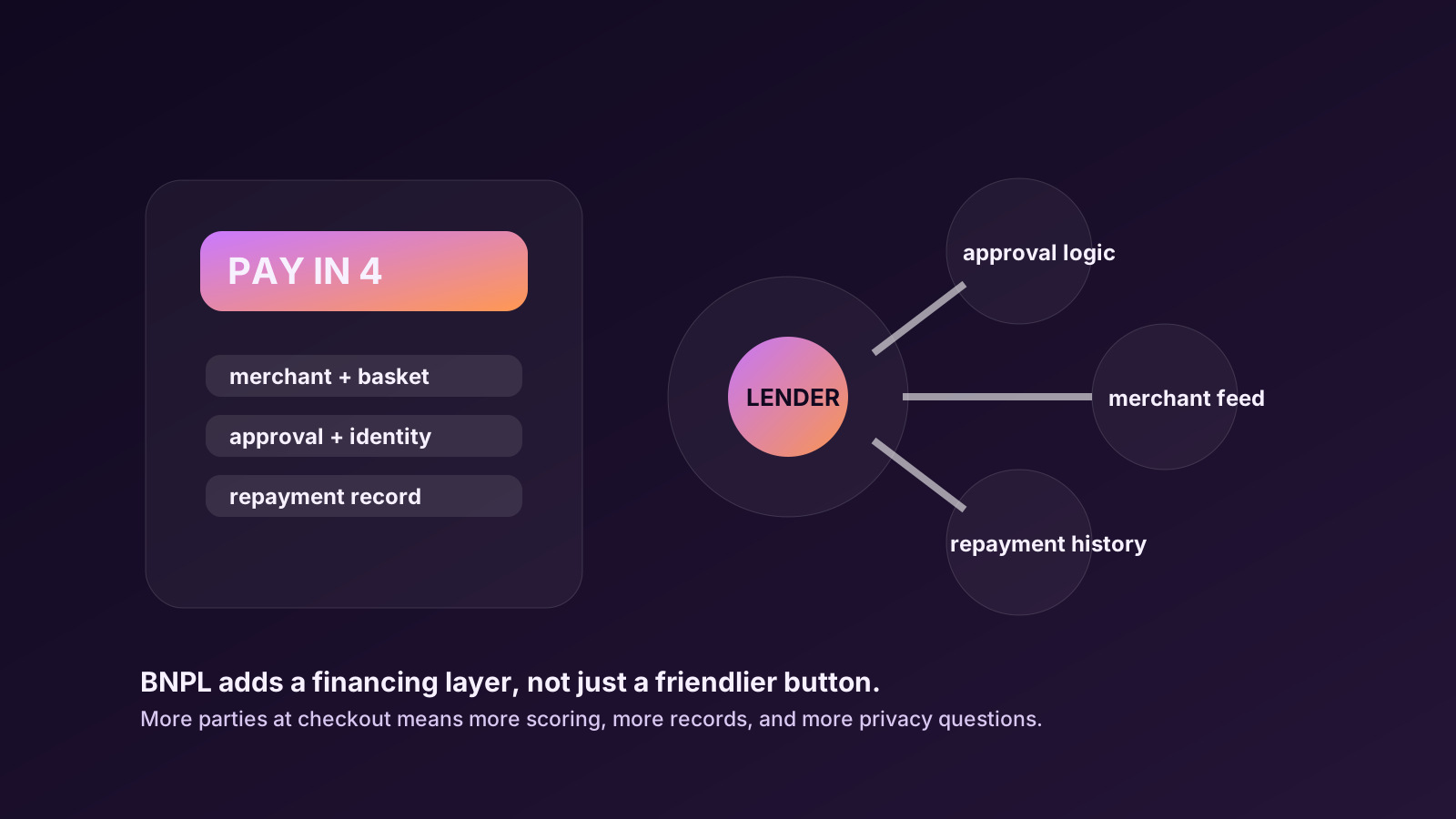
Buy now, pay later can feel like a small UX convenience: one more payment option beside the card form. In practice, it often changes the privacy shape of checkout. The moment a shopper chooses installments, the purchase may no longer stay inside a simple merchant-customer relationship. A lender or financing provider enters the flow, which means more underwriting, more approval logic, and more records tied to a decision that was already sensitive before another company joined it.
The CFPB's report The Buy Now Pay Later Market is a good starting point because it treats BNPL as a real market structure rather than a harmless payment flourish. Once installment products become embedded across retail checkout, providers can see spending behavior, merchant categories, repayment patterns, and repeat usage across many purchases. That matters because the same button that reduces immediate cost pressure can also create a broader behavioral dataset around a shopper's financial life.
The CFPB's enforcement announcement in 2024 shows regulators do not view this lane as frictionless innovation by default. The agency announced actions related to buy now, pay later loans and pushed lenders to treat shoppers more like traditional credit-card users in key consumer-protection respects. That does not mean every BNPL flow is predatory. It does mean the category has matured enough that fairness, disclosures, dispute handling, and consumer rights are no longer side questions.
The CFPB's borrower-facing guidance adds another practical angle: people need clearer information up front about how these products work. That clarity matters for privacy too. A shopper deciding whether to split a payment should understand not only the repayment schedule, but also that the purchase may now generate a longer-lived lender record and another stream of behavioral insight tied to identity, timing, and merchant choice.
This is why BNPL creates new privacy questions instead of only new budgeting options. The checkout now has more observers, more scoring, and more opportunities for one purchase to become part of a deeper profile. cloak's job is to make those relationship changes visible. If the browser can surface when a payment flow adds new entities, new data collection, or new decision pressure, the shopper gets a chance to choose flexibility without sleepwalking into a much larger exposure surface.