
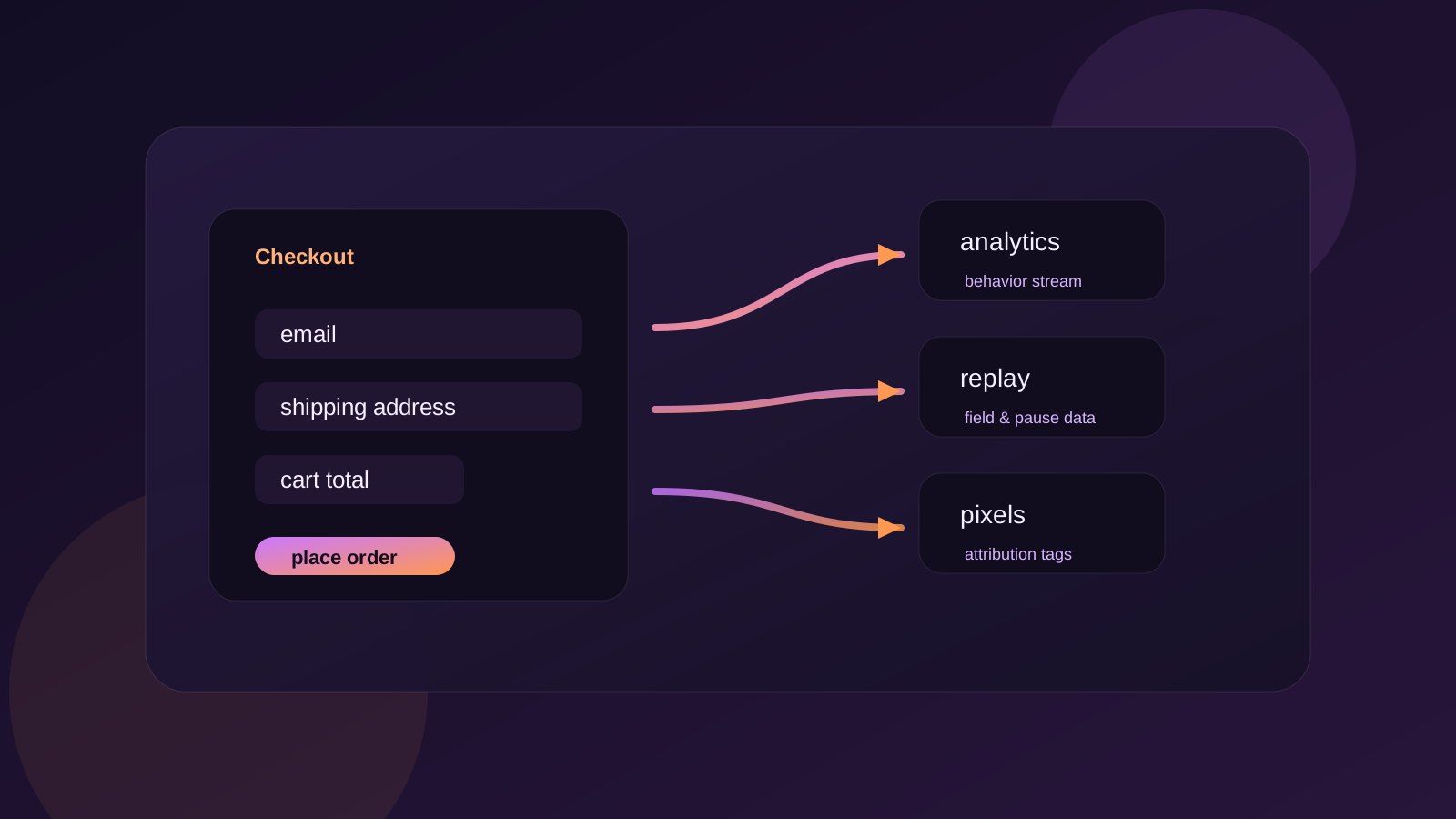
A checkout page looks like a simple handoff between a shopper and a store. In reality, it often sits on top of an instrumentation stack made of analytics tags, replay tools, pixels, experimentation code, and marketing measurement scripts. That does not mean every checkout is leaking card numbers to random companies. It does mean the moment where a shopper is most identifiable and most intent-rich is often one of the busiest telemetry moments on the page.
Princeton's session-replay research remains one of the clearest windows into the problem. The researchers found replay scripts on hundreds of high-traffic sites and showed that some scripts captured page content, keystrokes, and form interactions before a user intentionally submitted anything. That matters because checkout is full of the exact signals these tools find valuable: hesitation, field corrections, abandonment, and the difference between a near-purchase and a completed one.
Princeton's wider web-transparency work adds the systems view. Third-party tracking infrastructure is common across the web, so a merchant does not need to build every measurement layer alone. A modern checkout can inherit a stack of tags and integrations that were added for attribution, performance, testing, audience building, or recovery campaigns. From the shopper's side, though, the result is simple: a supposedly private buying moment can include more observers than the page makes obvious.
The BetterHelp case shows why that distinction matters. The FTC said the company shared email addresses, IP addresses, and sensitive questionnaire information with advertising platforms despite promises that created a different impression for users. Checkout analytics is not the same thing as health-intake data, but the lesson transfers cleanly: once user data enters a measurement stack, the line between internal optimization and downstream sharing can get blurrier than the shopper expects.
The FTC's 2024 surveillance-pricing inquiry makes the commercial stakes even more explicit. The agency said companies may use browsing history, shopping history, location, demographics, and related data to influence treatment, offers, or prices. Checkout telemetry is valuable in exactly that environment because it tells a system who hesitated, who came back, who corrected shipping details, who compared options, and who looked ready to convert under one more nudge.
That is why cloak should treat hidden checkout analytics as part of the privacy problem, not just a conversion-ops detail. A shopper should be able to understand when the page is doing more than processing the order. If the checkout moment has become a multi-party measurement event, the privacy product should make that legible and reduce what can be harvested from it.