
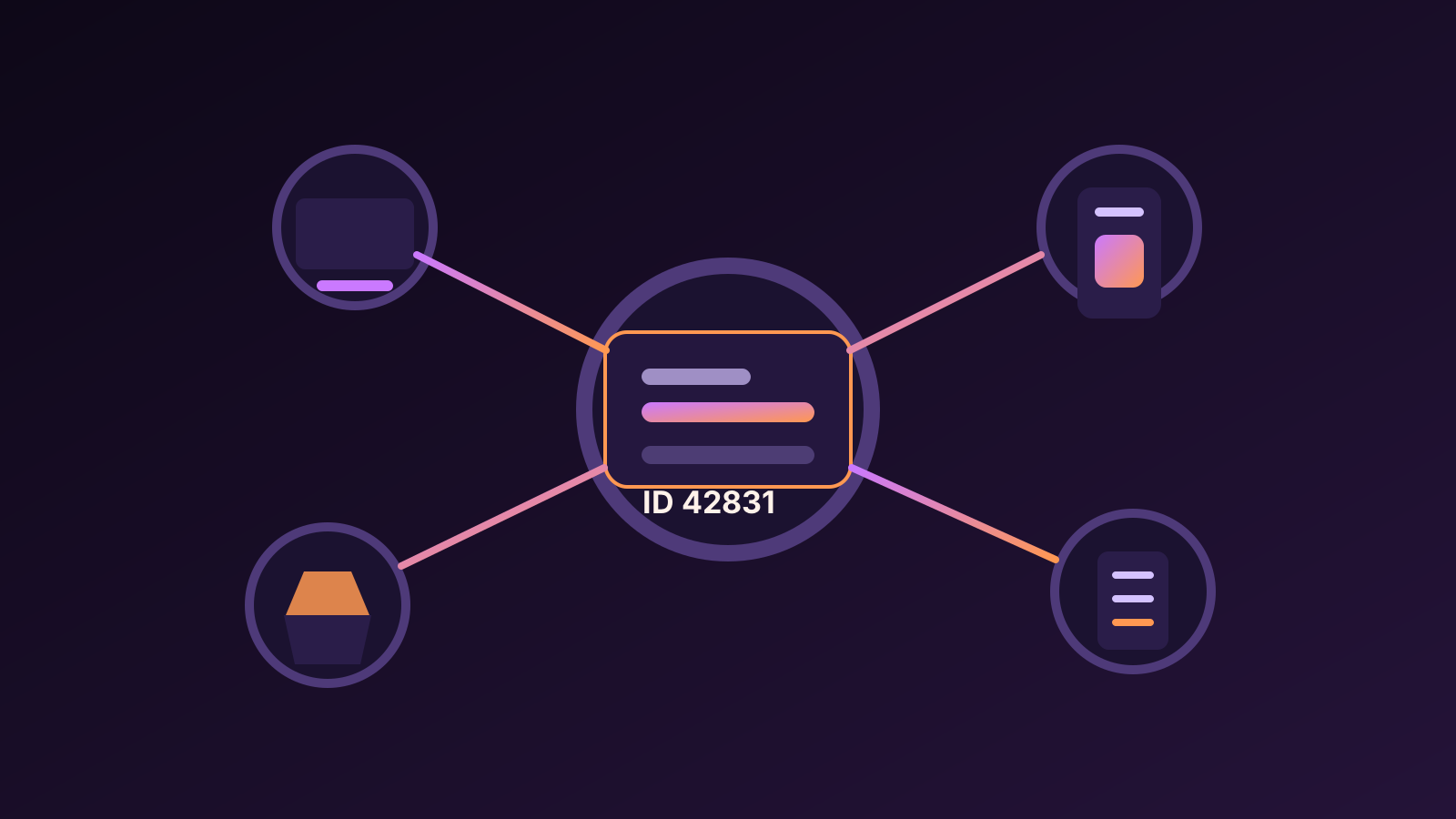
Loyalty IDs are powerful because they solve a problem retailers care about deeply: continuity. The shopper may think they are just typing a phone number, scanning a barcode, or signing in for points. The store sees a stable key that can connect browsing, purchase history, returns, coupons, customer-service interactions, and future visits under one reusable identity. The visible perk is the discount. The quieter value is the cleaner profile.
The FTC’s data-broker report is still a useful frame because it describes an ecosystem built on collecting data from multiple sources, combining it, and turning it into marketable profiles. A loyalty identifier is not a data broker by itself, but it fits the same logic. The more often one shopping relationship resolves to the same person, the easier it becomes to join events that would otherwise look separate and much less actionable.
Adyen’s own documentation for loyalty use cases makes the operational point unusually plain. The docs discuss card and shopper identifiers as the keys that support loyalty flows. That matters because it shows what the retailer needs at the infrastructure layer: not a vague sense that the customer came back, but a durable identifier that can reconnect future activity to a known record. Once that key exists, cross-session memory gets easier by design.
The FTC’s 2024 surveillance-pricing inquiry explains why this continuity has economic consequences, not just CRM convenience. The agency said companies may use browsing behavior, shopping history, location, demographics, and related data to influence what people are shown or charged. Loyalty IDs do not need to determine prices directly to matter. They only need to keep the profile coherent enough that discounts, rankings, reminders, and pressure tactics can be tuned with more confidence over time.
The FTC’s 2024 report A Look Behind the Screens strengthens the same warning from another angle. The agency found extensive collection, long retention, and weak user control across major digital businesses. Loyalty systems fit comfortably inside that pattern because they reward persistence. The more the shopper stays legible, the more useful the identifier becomes for analytics, audience building, and reactivation as well as rewards.
That is why loyalty IDs make cross-session tracking easier. They do not need to look creepy to do the job. They simply give the store a more reliable answer to the question of whether this is the same person as last time. cloak’s role is to make that answer less automatic and more visible, especially when a simple rewards flow starts acting like the backbone of a long-term behavioral profile.