
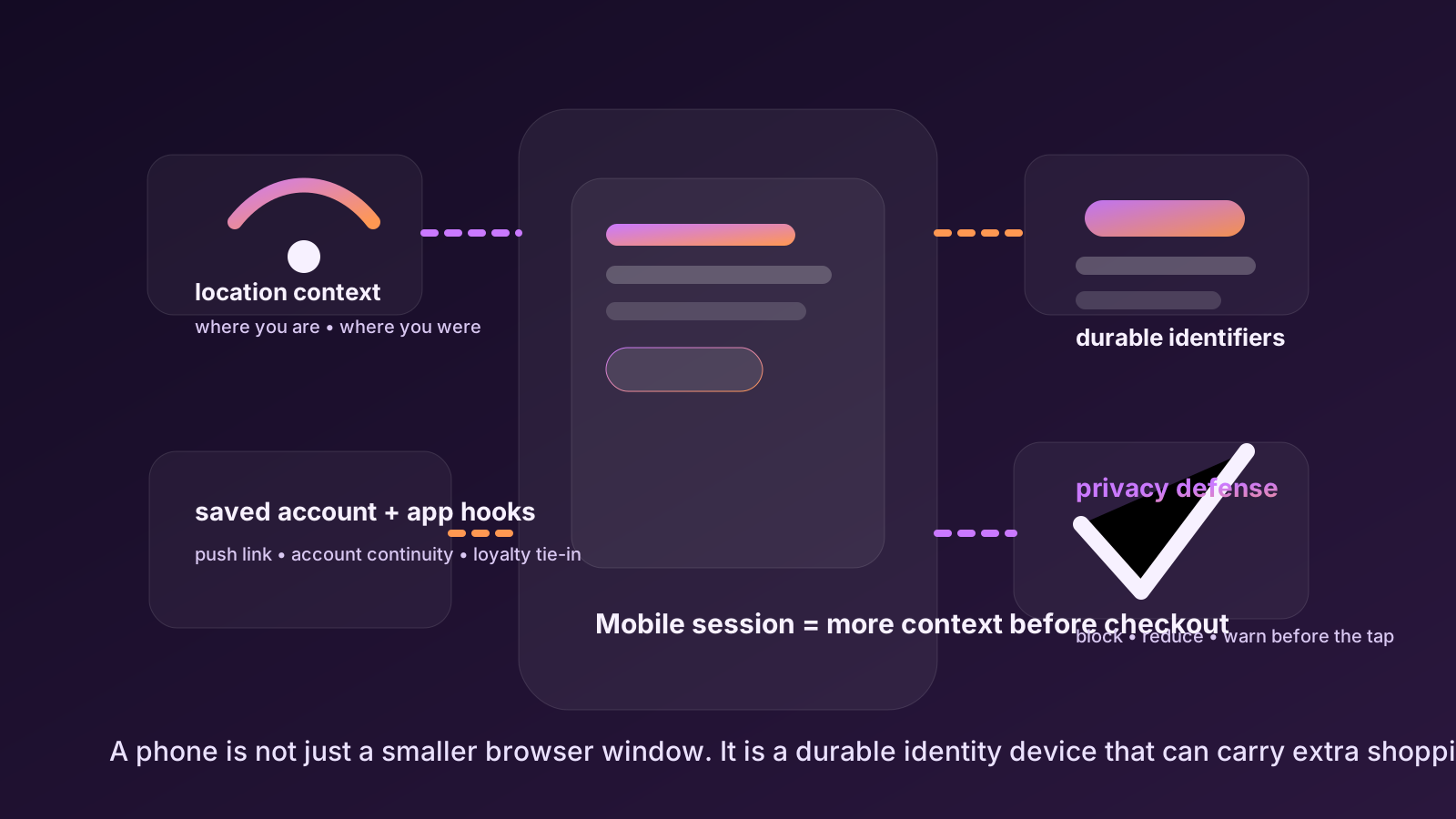
Mobile shopping feels casual because the phone is always within reach. Privacy-wise, that convenience can make the session denser, not lighter. A merchant or partner does not necessarily see only the same generic browser view it would get on a desktop. Mobile traffic often arrives wrapped in location context, persistent identifiers, account continuity, and app-style engagement hooks that make the shopper easier to recognize and re-target across time.
The FTC's cases against Kochava and Outlogic are useful anchors because they show how revealing mobile location data can become once it leaves the device. Those cases were not about a sweater or grocery cart by themselves. They were about the larger reality that phone-generated location streams can be sold or shared in ways that expose visits to highly sensitive places. That matters for commerce because mobile shopping does not happen in an abstract browser vacuum. It happens on a device that can carry precise context about where a person is and where they have been.
The FTC's report A Look Behind the Screens adds the identifier layer. It describes firms collecting extensive persistent identifiers, combining data across services, and retaining it longer than people expect. A phone session can make that continuity easier. The same device that opens a shopping link may already be tied to app activity, a saved account, past purchases, or ad-measurement systems that were never visible in the checkout itself.
That does not mean every mobile cart is a uniquely sinister trap. It means the shopper should not assume mobile equals private just because the flow feels personal. A smaller screen can actually hide more of the surrounding machinery. Fewer visible tabs, tighter layouts, and faster logins leave less room to inspect who else is attached to the session before the purchase moves forward.
This is why mobile shopping privacy deserves its own language. Your phone can reveal more before checkout because it is a durable identity object, not just a temporary window. cloak's value on mobile is to make the surrounding collection legible: what was blocked, what continuity signals were reduced, and when the page starts using the extra density of the phone session against the shopper's decision space.