
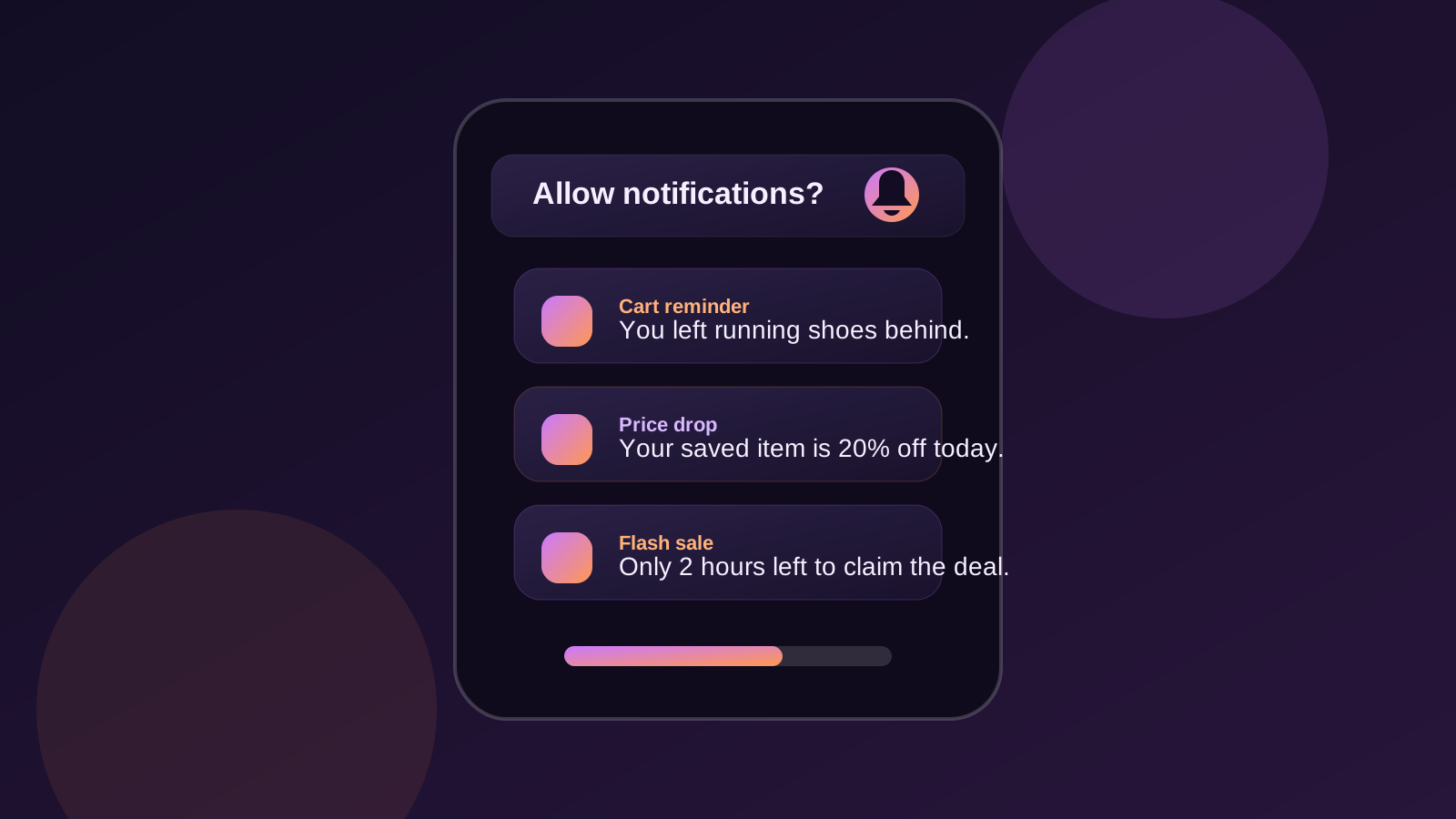
Why do shopping apps want notifications? Because the permission changes the relationship. A browser tab can be closed. A product page can be forgotten. A granted push channel gives the store a way back onto the lock screen, home screen, and notification tray, which is exactly where urgency and re-engagement feel hardest to ignore.
The platform rules themselves reveal how valuable that channel is. Android now treats notifications as a runtime permission for newly installed apps, which means the operating system recognizes them as something people should actively allow rather than passively inherit. Apple’s notification guidance makes the same point from a design angle: apps are supposed to ask in context and only when the person can understand the value, because the permission opens an ongoing interruption path into daily life.
Retail teams do not ask for that permission only so they can send a shipping receipt. Firebase Cloud Messaging exists precisely to let apps deliver notification messages reliably to user devices, and in commerce that capability maps naturally to back-in-stock alerts, price-drop prompts, cart reminders, flash-sale pushes, and ‘you left something behind’ follow-up. The same pipe that delivers a useful delivery update can also deliver a pressure cue at the exact moment a merchant wants the shopper back.
That matters for privacy because notifications are not just messages. They are part of a larger retention and profiling system. Once a retailer knows which prompts get tapped, ignored, dismissed, or opened at certain times, the app can learn what cadence works, what offer gets attention, and how quickly the shopper responds to scarcity or discount framing. The FTC’s reporting on large-platform data practices is a useful reminder that engagement systems and data collection tend to grow together, not separately.
This does not make every push alert predatory. Order status, delivery windows, and back-in-stock notices can be genuinely helpful. The problem is that notification permission blurs service and pressure into one permission grant. A shopper may think they are allowing updates, while the retailer sees a durable re-entry lane that can be used for reminders, ranking pressure, and promotional timing long after the original browsing session is over.
That is why the right privacy question is not just ‘Do I want alerts?’ It is ‘Do I want this store to keep a direct line into my attention?’ cloak’s worldview fits here: the product should help people see when a convenience permission quietly becomes a leverage permission.