
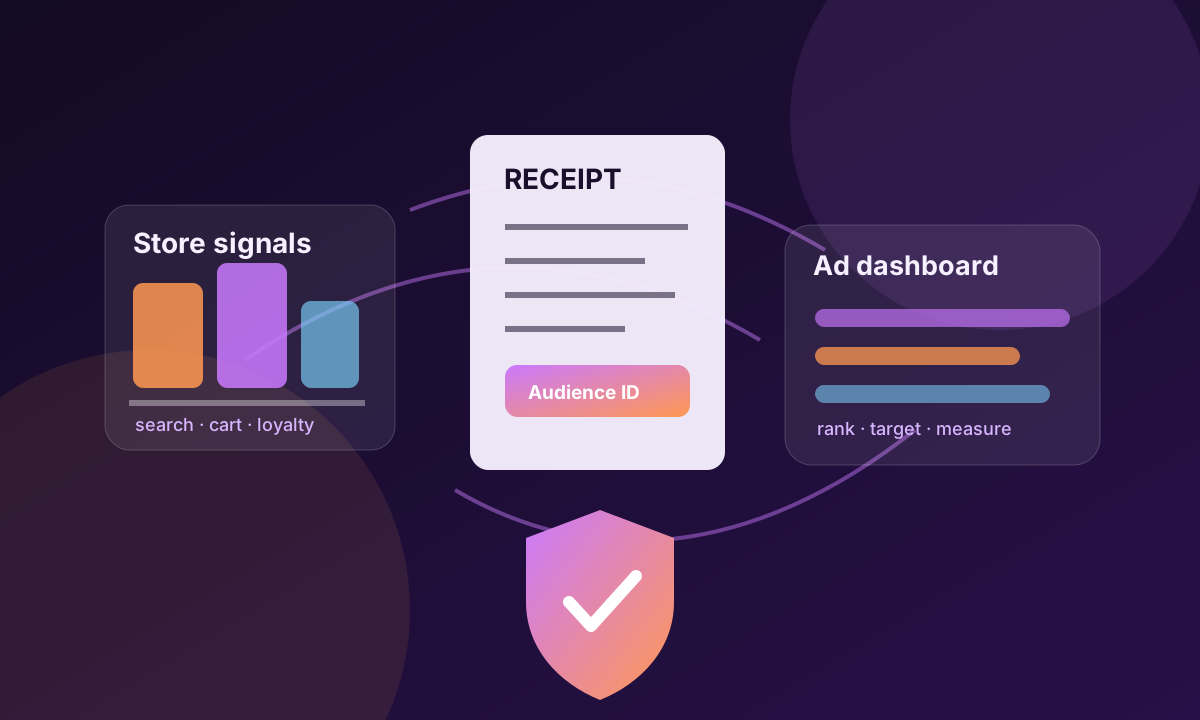
Retail media network privacy risk starts with a quiet shift in what a store is. A retailer is no longer only a place to buy groceries, clothes, electronics, or household supplies. Many large retailers also run advertising businesses that use search queries, page views, loyalty IDs, cart behavior, purchases, and sometimes in-store or app signals to help brands reach shoppers. The keyword question is simple: when a store becomes an ad network, what happens to the privacy of your purchase data?
The reason retail media is powerful is exactly why it deserves scrutiny. A social platform may infer that someone is interested in diapers or allergy medicine. A retailer may know that the person searched for them, compared them, bought them, returned them, or switched to a cheaper substitute. That is high-intent data. It can be useful for relevant offers, but it can also turn a receipt into a targeting asset that follows the shopper across categories, campaigns, and measurement systems.
The FTC's data-broker report is the right baseline because it describes an information market where consumer data can be collected, combined, segmented, and used in ways people often cannot see. Retail media networks are not identical to old-school data brokers, but the concern rhymes: ordinary transactions become inputs for profiles, audiences, lookalikes, measurement, and risk models. A shopper may think they bought one product from one store. The advertising layer may treat that purchase as a durable signal about life stage, health, budget, family status, or vulnerability.
Loyalty programs can make the profile more stable. A loyalty ID links repeat purchases, coupons, store visits, app behavior, and household patterns. Add a logged-in website, saved address, delivery history, and payment token, and the store has a strong identity spine for advertising and personalization. None of that automatically means the store is acting unlawfully. It does mean the user should not be told a loyalty discount is just a discount while the data relationship underneath becomes much broader.
The surveillance-pricing question adds another reason to care. The FTC has asked companies about products that use personal data and automated systems to influence prices or offers. Retail media data does not prove a shopper is being charged a different price. But purchase history, search intent, brand affinity, coupon response, urgency, and household signals are exactly the kinds of features that can shape which ads, offers, recommendations, and pressure patterns a person sees. Economic treatment can change without the price tag announcing why.
California privacy rights are useful here because they force a practical question: is purchase data being used only to fulfill the order, or also to sell, share, profile, target, measure, and retain the shopper? The CPPA's CCPA regulations reflect a broader expectation that people should have rights around access, deletion, and opt-out of certain data uses. A retail media network should be judged by that standard of legibility, not by a vague promise that ads are more relevant.
Pew's research explains why this becomes a trust problem. Most Americans already believe the risks of company data collection outweigh the benefits. Retail media touches the most intimate version of that worry because purchases can reveal more than browsing. Health products, baby supplies, school needs, budget brands, emergency repairs, and gift searches all carry context. The user may be trying to complete a normal errand, not disclose a household story to an advertising machine.
A practical defense checklist is to separate loyalty use from sensitive purchases, avoid signing in when a guest flow works, use store privacy controls and opt-outs where available, limit app permissions, be careful with household-shared accounts, and watch for off-site ad retargeting after specific purchases. cloak's stance is not anti-retailer and not anti-discount. It is anti-invisible leverage. If a store turns checkout, loyalty, and purchase history into ad targeting, the shopper deserves to see the data pressure before the receipt becomes an audience segment.