
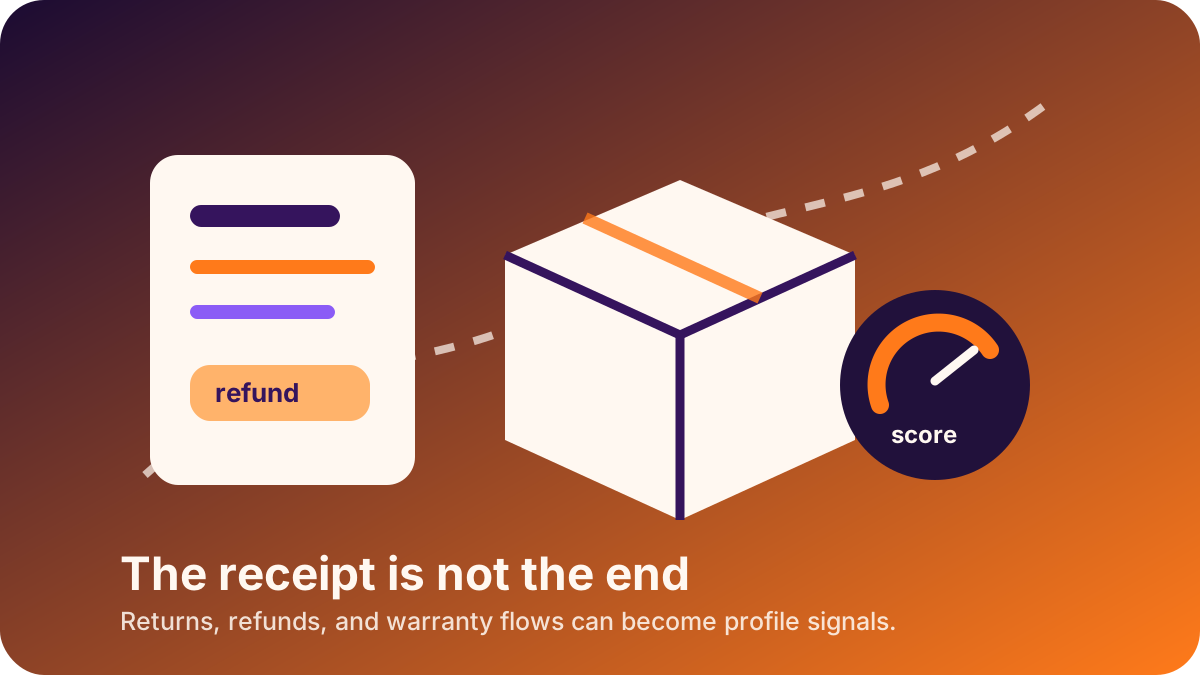
Can returns and refunds affect your shopping profile? They can, because post-purchase behavior is still behavior. A return is not just a package moving backward through logistics. It can be a signal about fit, dissatisfaction, price sensitivity, fraud risk, category preference, household needs, and how much friction a customer will tolerate before giving up. The checkout may be over, but the data relationship continues through refunds, exchanges, warranty claims, customer-service chats, and store-credit decisions.
Retailers have understandable reasons to measure returns. The National Retail Federation tracks returns as a major operational and fraud-management issue for the industry. Stores need to know what came back, why it came back, whether the item can be resold, and whether abuse patterns are emerging. The privacy problem starts when this operational record becomes a broad behavioral profile that follows the shopper into future offers, stricter policies, more aggressive verification, or different service treatment without clear explanation.
The high-intent moment is different after checkout. Before purchase, pressure might look like countdown timers or cart reminders. After purchase, pressure can look like complicated return portals, forced account creation, confusing shipping-label steps, limited refund options, or nudges toward store credit instead of cash. The FTC's dark-patterns report is relevant because it names the design family: interfaces can steer, obstruct, or manipulate choices even when the transaction has technically already happened.
A return can also enrich identity. To process a refund, a merchant may connect order number, email, phone, shipping address, payment token, device, location, and customer-service history. If a person used guest checkout to avoid a long-term account, the return flow may rebuild much of that continuity anyway. Warranty claims can add product serial numbers, household details, photos, or evidence about how and where an item is used. None of that is automatically abusive, but it should not be invisible.
The surveillance-pricing concern is broader than one refund. The FTC has asked companies about products that use personal data and automated systems to influence prices or offers. Returns and refunds can become part of the same economic-treatment dataset: who buys under pressure, who sends things back, who accepts store credit, who needs fast shipping, who complains, and who can be retained with a small coupon. That does not prove every retailer changes prices based on returns. It does show why post-purchase data belongs in the privacy threat model.
Pew's privacy research explains why shoppers experience this as a power imbalance. People often do not know what companies collect, how long it is kept, or how it affects them later. Returns make the problem especially opaque because the shopper is focused on resolving an immediate issue. They are not thinking about whether a refund reason, chat transcript, or label request will become a durable customer attribute.
A practical privacy checklist is to use the least identifying return method that still protects your money, avoid unnecessary account creation, read whether store credit changes your rights, keep records of refund promises, limit what you disclose in chat, and be cautious when a warranty form asks for more information than the claim requires. cloak's framing is simple: privacy defense should cover the whole purchase lifecycle. If post-purchase flows add trackers, identity checks, confusing nudges, or unexplained risk scoring, the shopper deserves a warning before a normal return becomes another profiling event.