
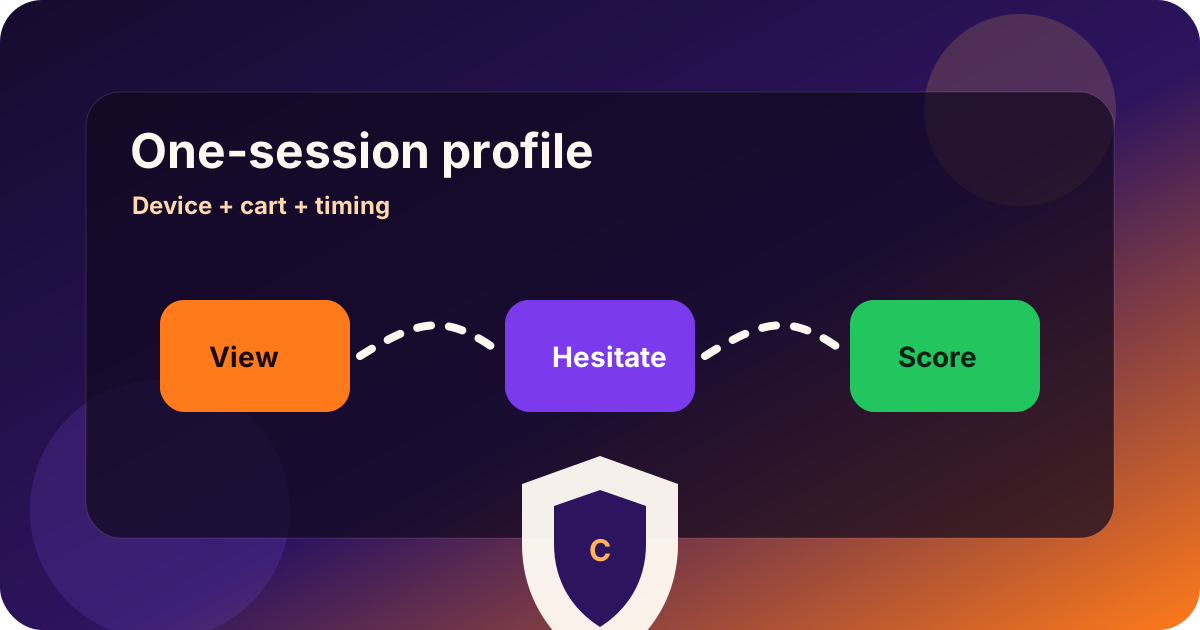
A shopper data profile after one session can contain much more than a cart. In a single visit, a store may see the entry source, campaign tags, landing page, products viewed, search terms, variant comparisons, size or color changes, review clicks, image zooms, shipping ZIP code, delivery timing, coupon attempts, payment method preference, account status, device type, browser details, and whether the shopper hesitated or returned. None of those signals has to be dramatic by itself. The profile becomes powerful when they are joined into a pattern.
The easiest category is declared data. If the shopper types an email, phone number, shipping address, birthday, student status, loyalty ID, or payment details, the store can connect the visit to a named person or household. Even before that moment, a site can collect behavioral and technical signals. EFF's Cover Your Tracks project explains why browsers can be more recognizable than people expect. Device and browser attributes can help connect visits even when someone has not created an account.
The second category is intent data. Product pages reveal what the shopper is considering. Search terms reveal vocabulary and urgency. Sorting by low price, opening financing language, checking return policy, comparing reviews, or abandoning after fees appear can suggest budget stress, risk sensitivity, or willingness to wait. A merchant can use those signals to improve the experience, but it can also use them to rank offers, trigger urgency, personalize discounts, or decide when to push add-ons. That is why a single session can feel less like browsing and more like being scored.
Analytics infrastructure makes collection easy. Google Tag Manager's data layer documentation is a plain example of how sites structure events for tags and measurement. A store can define events for product views, cart changes, checkout steps, coupons, promotions, and errors. Those events may help debug the site, but they also create a vocabulary for turning behavior into a profile. If the same events are shared widely, the profile can become useful to platforms, ad networks, customer data systems, and measurement vendors outside the user's view.
Pew's research on Americans and privacy helps explain why this feels unfair. Many people believe the risks of company data collection outweigh the benefits and feel they lack control over how data is used. A shopper may accept that a store needs a shipping address after purchase. They may not expect a short research session to produce a durable inference about income, family status, health concern, travel plan, or urgency. The privacy injury is the gap between the user's mental model and the actual collection surface.
The business governance question is straightforward: why collect, how long keep, who gets access, and what decisions does the profile influence? The FTC's personal-information guidance and the NIST Privacy Framework both push organizations toward knowing what they collect, limiting risk, and protecting data based on context. A store that treats every click, pause, and checkout step as permanent marketing fuel is making a choice. It could instead shorten retention, separate operational analytics from advertising, avoid sensitive inferences, and give users meaningful controls.
Shoppers can reduce profile richness by using guest checkout when practical, keeping sensitive research in a separate browser profile, blocking unnecessary trackers, declining loyalty prompts, limiting autofill, using email aliases, and avoiding platform logins that connect unrelated sessions. They can also slow down when a site asks for information before it has earned trust. A product page does not always need a phone number, birthday, app install, or account just to show a price.
cloak's job is to defend the session as it becomes legible to the store. That means warning when a page collects high-value identity signals too early, reducing fingerprint value, flagging heavy analytics and retargeting, and showing the user why a calm-looking shopping page may still be building a profile. The aim is not paranoia. It is leverage: the shopper should understand when one ordinary session is turning into a profile that can shape future prices, ads, offers, and pressure.