
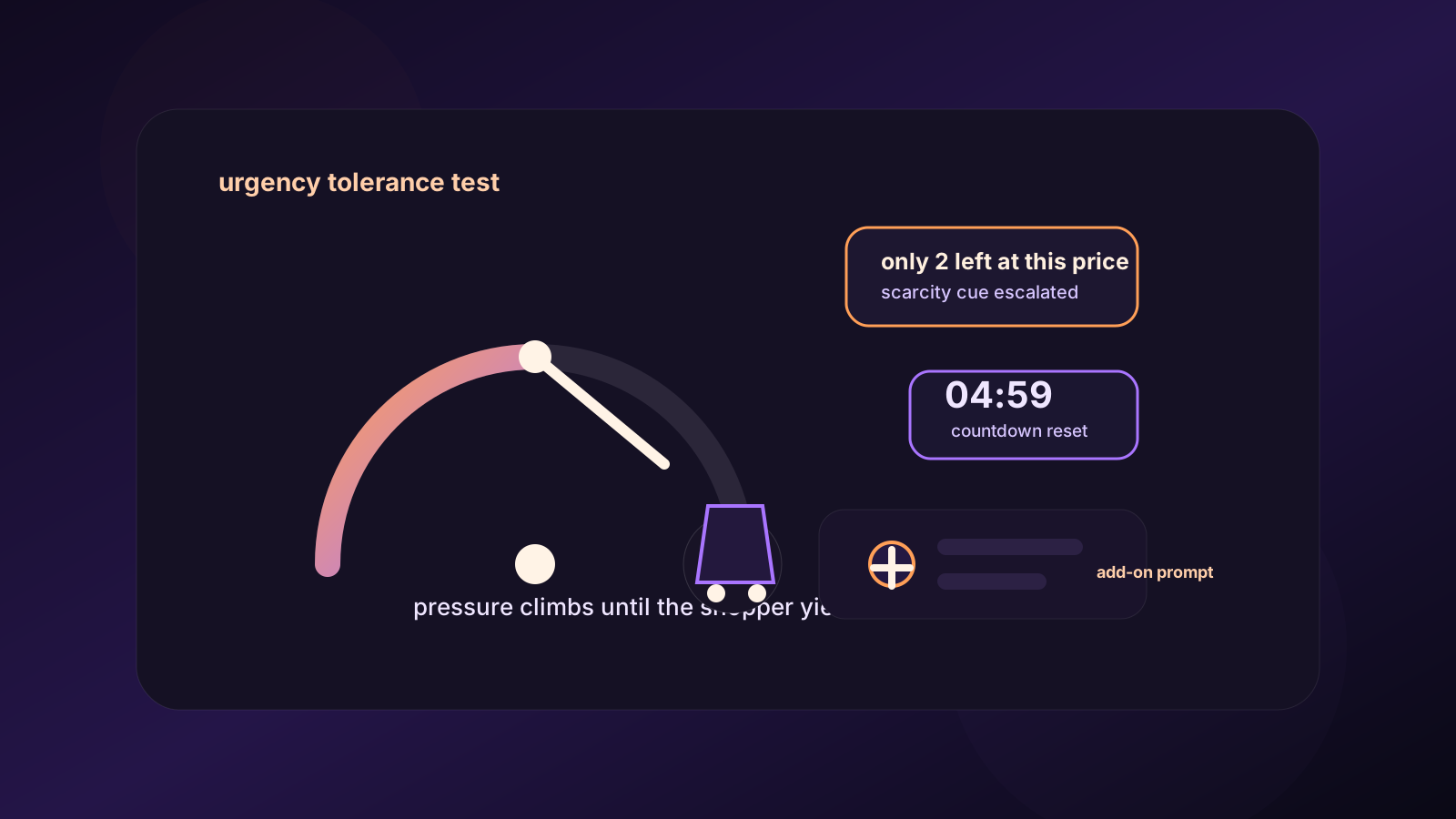
If you keep thinking why do websites keep testing urgency on me, the creepy feeling is not irrational. A checkout can keep escalating timers, low-stock banners, price-drop popups, and one-more-step nudges because the page is not only trying to persuade you once. It may be learning how much pressure your session will absorb before the decision gets made.
The Federal Trade Commission's report Bringing Dark Patterns to Light is useful here because it frames pressure design as a real consumer-protection issue, not just annoying marketing. The report describes interface patterns that can steer, coerce, or manipulate people into choices they might not otherwise make. Urgency and scarcity cues matter in that framework because they compress reflection time. They make a choice feel like it has to happen now, before the shopper can compare, pause, or leave.
That pressure layer also sits inside a much larger personalization stack. In 2024, the FTC issued orders to companies tied to surveillance pricing, saying these systems can use data like browsing history, purchase history, demographics, and location to influence what someone is shown or charged. That does not prove every countdown is secretly personalized. It does show regulators think the data inputs around price and presentation are important enough to investigate. Once the system can vary treatment, it can also keep testing which version of urgency works best on which shopper.
The shopper side of the story is trust. Pew Research Center found that large majorities of Americans feel concerned, confused, and out of control when it comes to company data practices. That matters because people do not encounter urgency in a vacuum anymore. A countdown timer in 2026 does not read like a neutral sales tactic. It lands on top of a broader suspicion that the page may already know too much and may already be adapting around what it learned.
This is why the phrase urgency tolerance is more honest than just calling the page persuasive. Sites can observe whether someone bounces, hesitates, returns, opens another tab, ignores one message, responds to a stronger one, or comes back with a more purchase-ready cart. They do not need to read a shopper's mind to run a useful experiment. They only need enough session feedback to keep tuning the pressure.
A privacy-defense product should treat that as part of the threat model. The job is not only to block obvious trackers. It is also to warn when the shopping flow starts behaving like a pressure test instead of a straightforward store. cloak's value is that it makes the hidden experiment more legible before the urgency stack does its work.