
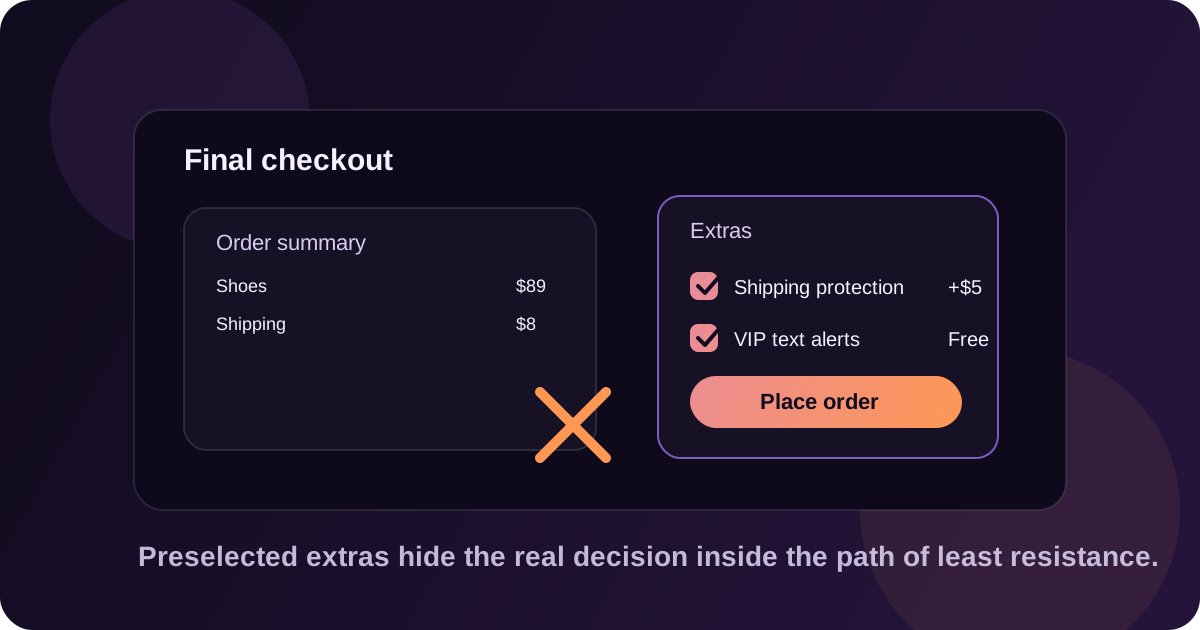
Checkout is where shoppers are most likely to rush. The cart is full, the timer is running, and the user wants to be done. That is exactly why preselected shipping insurance, warranty boxes, donation toggles, subscriptions, and other add-ons feel so bad. The problem is not only that an extra offer appears. The problem is that the interface quietly picks the answer before the shopper has really made the choice.
The FTC’s report Bringing Dark Patterns to Light describes design practices that can trick or trap people into choices they would not otherwise make. Preselected extras fit that logic cleanly. They exploit momentum and inattention at the exact point where the user is trying to finish, not start, a decision.
Researchers have found this is not a fringe pattern. Dark Patterns at Scale, a crawl of 11,000 shopping websites, documented a wide range of manipulative design tactics in ecommerce, including forms of sneaking and obstruction. That matters because it shows the 'one weird checkout annoyance' feeling is often part of a repeatable system, not a one-off sloppy design decision.
The legal intuition behind that discomfort is real too. In the Planet49 case, Europe’s top court held that a pre-ticked checkbox was not valid consent. That ruling was about cookies, not cart extras, but the broader lesson carries over: a default that quietly commits the user is not the same thing as a free and informed choice.
This is why the last click can feel rigged. By the end of checkout, the site knows the shopper is invested, tired, and less likely to reopen every line item. Preselected extras turn that fatigue into margin. cloak should treat those moments as decision-pressure signals, because privacy defense is not only about who watches the session. It is also about when the interface starts leaning on the user instead of serving them.