
Comparison shoppers are valuable to merchants because research behavior is a map of leverage. A person who opens three stores, checks the same product twice, sorts by price, reads reviews, changes sizes, tests coupon codes, or waits at shipping is revealing what matters. The merchant may learn whether the shopper is price-sensitive, brand-loyal, worried about returns, constrained by delivery timing, unsure about fit, or close enough to buy that one more nudge might work. That can improve service, but it can also become a privacy and pressure risk.
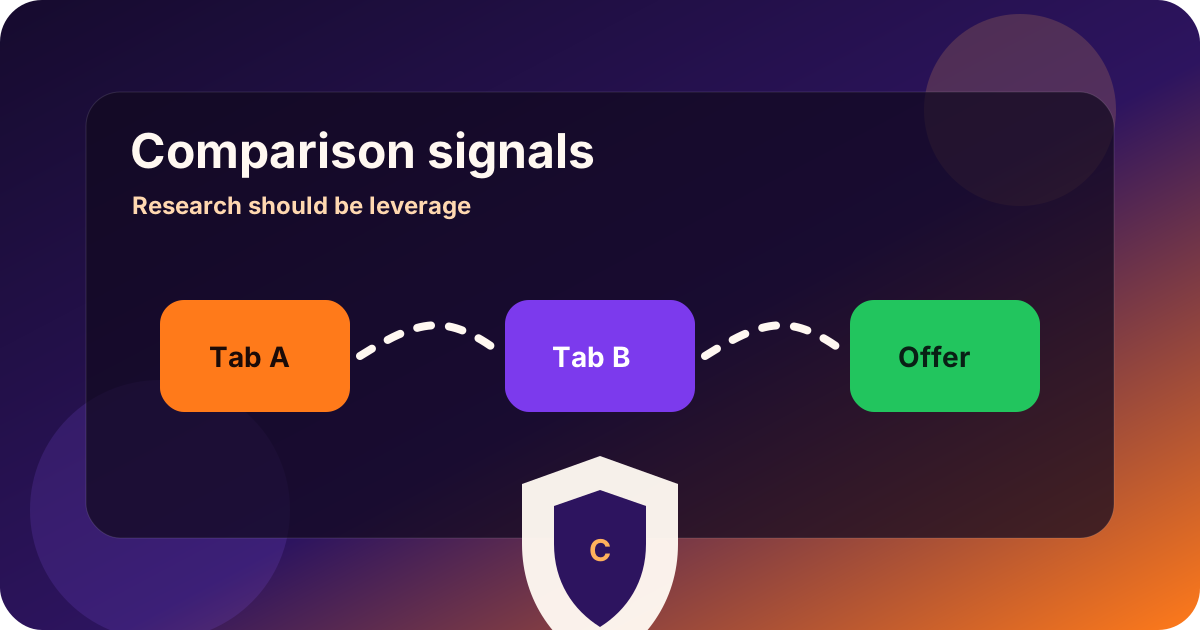
The risk starts before checkout. Comparison behavior often happens while the shopper still believes they are anonymous. They may use separate tabs, search engines, marketplace pages, review sites, and store pages to understand a product. Yet campaign parameters, referral tags, pixels, account logins, affiliate links, and device signals can connect parts of that journey. A merchant does not need to know every competitor visit to learn enough. Repeated returns, filters, coupon attempts, and abandoned carts can already show that the shopper is still negotiating.
The FTC's surveillance-pricing inquiry is relevant because the agency described systems that can use browsing history, shopping history, location, demographics, and other personal data to influence prices or offers. Comparison signals fit naturally into that concern. If a system estimates that a shopper has fewer alternatives, needs faster delivery, or is likely to accept a bundle, the next offer can become less neutral. The issue is not whether every merchant changes prices individually. The issue is that comparison data can be used to classify shoppers by vulnerability, urgency, and willingness to pay.
Dark patterns add the interface layer. The FTC's dark-pattern report explains how design can steer people into choices they might not otherwise make. A comparison shopper can be pushed with countdown timers, low-stock warnings, preselected protection plans, sticky coupons, popups that interrupt exit, or social proof claiming that others are buying now. When those prompts are triggered by observed hesitation, they are not just generic marketing. They are responses to a profile of uncertainty.
Comparison data can also expose sensitive context. Someone comparing mobility devices, fertility products, debt tools, legal forms, job-interview clothing, security cameras, or funeral services may be researching a private life event. Their filters and revisits can reveal budget limits, household size, health concerns, or timing pressure. Pew's privacy research shows that many Americans feel they lack control over what companies collect and how it is used. Comparison shopping is a concrete example because research is supposed to give the consumer power, not quietly hand more power to the seller.
Good businesses should separate helpful comparison support from exploitation. Clear total prices, honest reviews, stable return policies, accessible comparison tables, and transparent delivery estimates help shoppers decide. Hidden scoring, excessive retargeting, confusing fees, forced accounts, and pressure triggered by hesitation do the opposite. The FTC's personal-information guidance and the NIST Privacy Framework both support minimizing data and managing privacy risk. A merchant does not need to keep every comparison event forever or attach every research pattern to a named profile.
Shoppers can protect themselves by comparing in a separate browser profile, using tracker blocking, avoiding unnecessary logins until purchase, checking total cost in a clean session, stripping tracking parameters from links, and resisting urgency prompts that appear right after hesitation. They should be especially cautious when the product category reveals a private life event. If the store demands an email, phone number, app install, or loyalty login just to compare, that is a signal that the comparison process itself is being captured.
cloak's anti-exploitation framing fits comparison shopping because the harm is not only surveillance. It is a tilted negotiation. cloak should reduce cross-site tracking, flag pressure that appears after comparison behavior, warn when identity is requested too early, and help users keep research separate from checkout when that separation matters. Comparison is how normal people regain leverage online. Privacy defense should make that leverage stronger, not let merchants convert it into a sharper profile.