
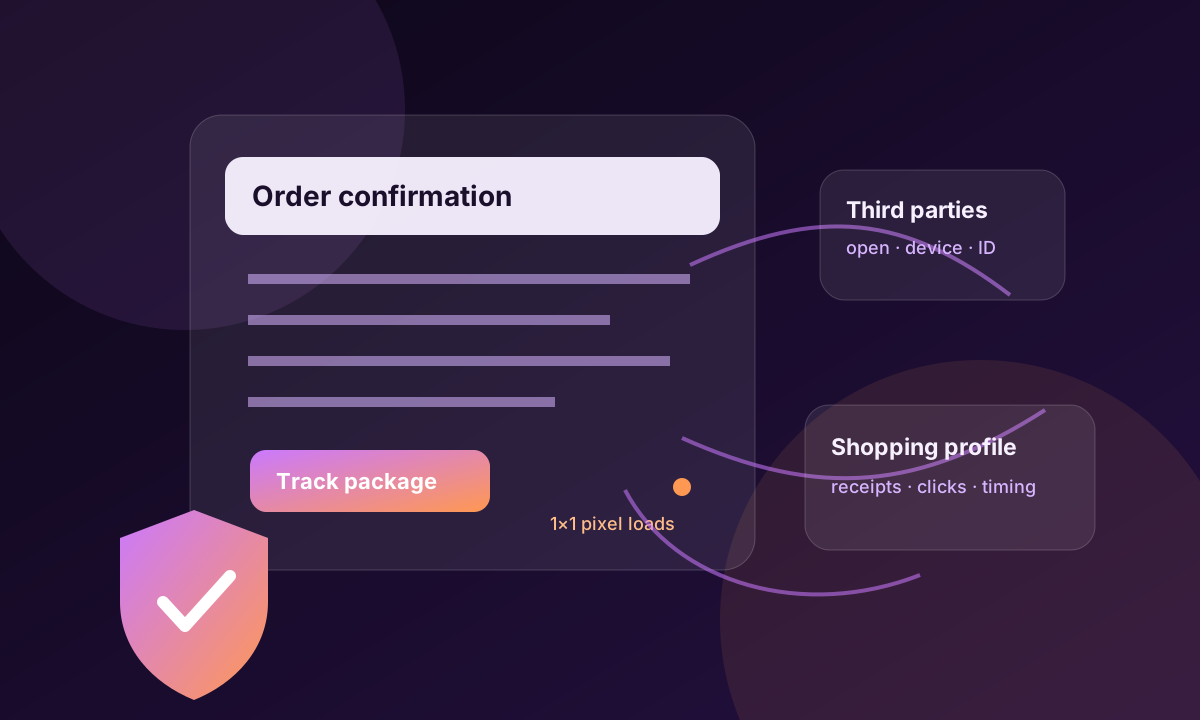
Email receipt tracking pixels are easy to ignore because a receipt feels administrative, not behavioral. You bought something, the store sent confirmation, and the inbox archived the proof. But an order email, shipping update, abandoned-cart reminder, or sale message can still load remote images, tracking pixels, third-party scripts through webmail, and personalized links. The checkout may be finished, but the merchant can still learn whether the email was opened, when it was opened, what device or client loaded it, and which links pulled the shopper back.
Princeton CITP's work on email tracking is the best warning sign. The researchers explained that email tracking can go beyond the sender knowing that a message was viewed. Opening an email can trigger requests to third parties, and in some cases those requests may include identifiers such as hashed email addresses. In webmail, browser cookies and web trackers can also be involved. That means an inbox action can connect back to the same broader tracking ecosystem people normally associate with websites.
Shopping emails are especially sensitive because they are packed with intent. A receipt can reveal product category, merchant, delivery location clues, timing, price range, return status, loyalty membership, and whether a purchase was a gift, medication, baby product, school supply, or financial-stress item. Even if the email body is not sold as a dossier, the metadata around opens and clicks can still teach a system which offers work, when a shopper is reachable, and how quickly they respond to pressure.
The difference between a necessary receipt and a marketing tracker matters. A store may need to send order details, shipping notices, fraud alerts, or return instructions. It does not automatically need to make every image load and every link click part of a long-term behavioral file. The privacy line is crossed when a utilitarian message becomes a retargeting sensor without clear choice, or when unsubscribing from marketing does not quiet the measurement layer wrapped around transactional emails.
The FTC's dark-pattern work matters because email is one of the easiest places to restart pressure. A cart reminder can frame scarcity, a subject line can create urgency, a return email can nudge store credit, and a sale email can pull the shopper into a personalized landing page with new tracking parameters. The design problem is not only the email itself. It is the chain from inbox to link to browser to checkout, where one click can reattach identity, campaign, and intent signals.
EFF's Surveillance Self-Defense guidance is useful because the defenses are practical rather than magical. Blocking remote images, using privacy-protective mail clients, limiting tracking links, copying URLs carefully, and separating shopping aliases from personal email can reduce exposure. These steps do not make a person invisible. They make the inbox less useful as a silent measurement device for every sale, shipment, and reminder.
Pew's privacy research explains why people find this unfair. Many Americans feel they have little control over company data collection, and email makes that loss of control feel personal. The message arrives in a space that looks private, but it can still trigger commercial telemetry. A shopper may open a receipt to check a delivery date and unknowingly confirm engagement, device context, and reactivation timing.
A practical checklist is to block remote images by default, use shopping aliases, avoid clicking discount links from sensitive purchase accounts, copy order numbers directly into the merchant site when possible, delete old tracking-heavy messages, and separate high-sensitivity purchases from loyalty or marketing inboxes. cloak's role is to make post-checkout tracking visible. If an order confirmation, cart reminder, or sale email pulls the user back into a tracked decision environment, the defense should start before the pixel quietly says the shopper is ready to be nudged again.