
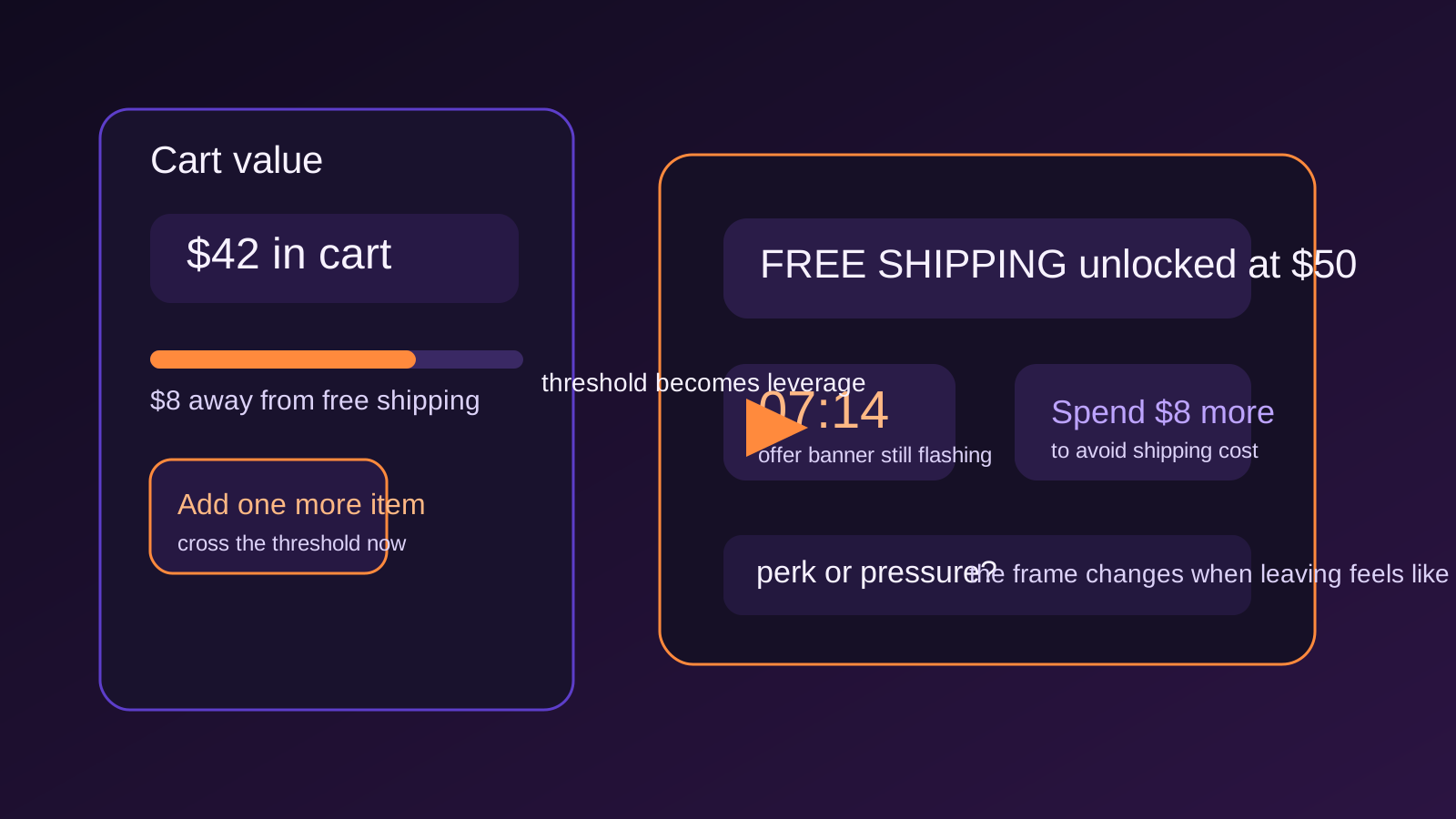
Free shipping sounds like the opposite of pressure. It looks like relief: one less fee, one less irritation, one more reason to finish the order. That is exactly why it can become such an effective behavioral lever. A benefit that feels helpful can also be used to keep the shopper moving toward a higher basket value or a faster decision than they originally planned.
Baymard's cart-abandonment research helps explain why shipping language is so powerful in the first place. Extra costs, including shipping, remain one of the most common reasons people abandon checkout. Merchants know this. That means shipping is not just a fulfillment detail. It is one of the most emotionally sensitive variables on the page, which makes it a natural place to test prompts that keep a shopper from leaving.
The Federal Trade Commission's report Bringing Dark Patterns to Light offers the right frame. The problem is not that every incentive is unlawful or manipulative by definition. The problem is that interface design can steer decisions by compressing reflection time, hiding tradeoffs, or making one path feel artificially urgent. Free shipping crosses into that territory when the page turns it into a staircase of pressure: spend another $12, add one more item, finish in the next seven minutes, do not lose your threshold now that you are close.
That pattern works because it reframes the session. Instead of asking whether the current cart is worth buying, the page asks whether the shopper is willing to lose a reward they now feel partially entitled to. The extra item may have been unnecessary a minute ago. After the banner appears, leaving can feel like wasting money rather than saving it. That is a classic asymmetry of checkout pressure: the site changes what counts as loss before the shopper has time to reset the frame.
Pew Research Center's privacy findings add a second layer. People already approach company data practices with distrust and low control. When a page seems to know exactly when to surface a free-shipping threshold, an exit-intent reminder, or a last-step nudge, shoppers do not always experience that as innocent convenience. They often read it as adaptation around their hesitation. Even if the page is using broad behavior rules rather than a personal dossier, the moment can still feel uncomfortably targeted.
That is why free shipping can be part of a pressure pattern without being bad in every form. A plain shipping policy is not the issue. The issue is when shipping becomes the excuse for urgency, forced basket growth, or one-more-click manipulation right as the shopper is deciding whether to slow down. cloak's role is to make that shift legible: not free shipping as a perk, but free shipping as leverage.