
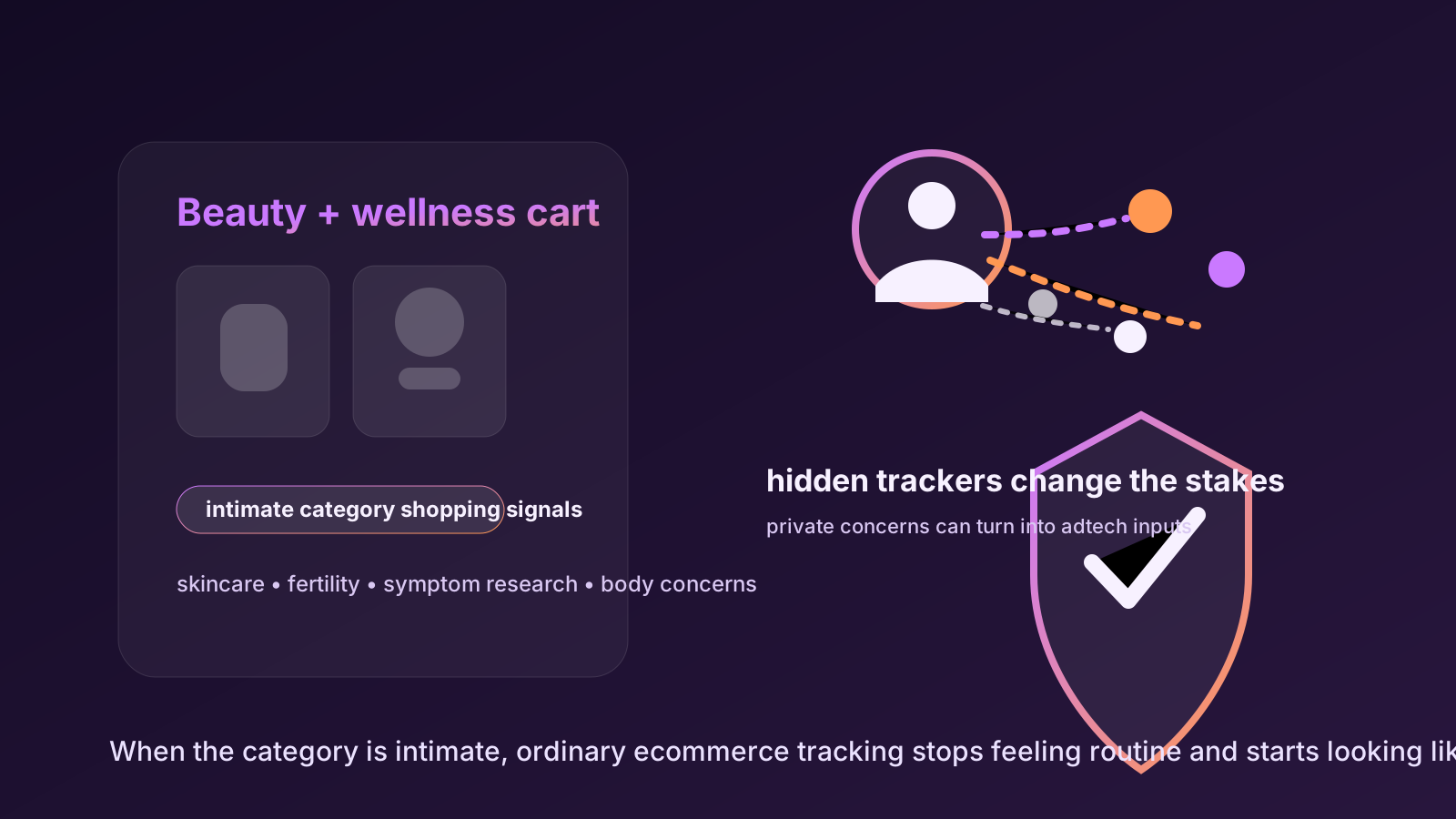
Beauty and wellness shopping is often treated like soft lifestyle commerce, but the underlying signals can be unusually intimate. A cart filled with skin treatments, hormone supplements, fertility tests, sleep aids, or symptom-focused products can reveal concerns that many people would never describe as ordinary advertising categories. That is what makes hidden tracking here feel different from tracking around a generic T-shirt or desk lamp.
The Sephora settlement is a clear warning that even mainstream beauty shopping can involve legally meaningful downstream sharing. California said Sephora's third-party trackers on its website and app amounted to selling personal information and that the company failed to properly honor privacy-control signals. That matters because the user does not experience those pages as data brokerage. They experience them as normal shopping for makeup, skincare, or routine products.
The BetterHelp case pushes the sensitivity point further. The FTC alleged BetterHelp shared users' email, IP address, and health-questionnaire information with advertising platforms. BetterHelp is not a beauty store, but the lesson transfers cleanly: when a category touches health, body concerns, or emotionally vulnerable states, hidden data-sharing becomes more than generic personalization. It can turn private research or self-care behavior into targeting material.
The Target pregnancy story remains one of the most memorable examples of commercial inference from shopping behavior. As the New York Times Magazine reported, purchase patterns were enough to infer something deeply personal before a family had disclosed it publicly. The careful takeaway is not that every beauty or wellness merchant does the same thing. The careful takeaway is that intimate inference does not require a medical chart. Ordinary commerce data can already be revealing enough.
This is why hidden tracking in beauty and wellness ecommerce deserves higher scrutiny. The FTC's A Look Behind the Screens report describes extensive collection, combination, retention, and weak user control across modern digital services. When those habits collide with intimate-category shopping, the privacy cost rises fast. cloak's role is to make the page feel honest again: block what can be blocked, reduce continuity where possible, and warn when a private self-care moment starts looking like a downstream data product.