
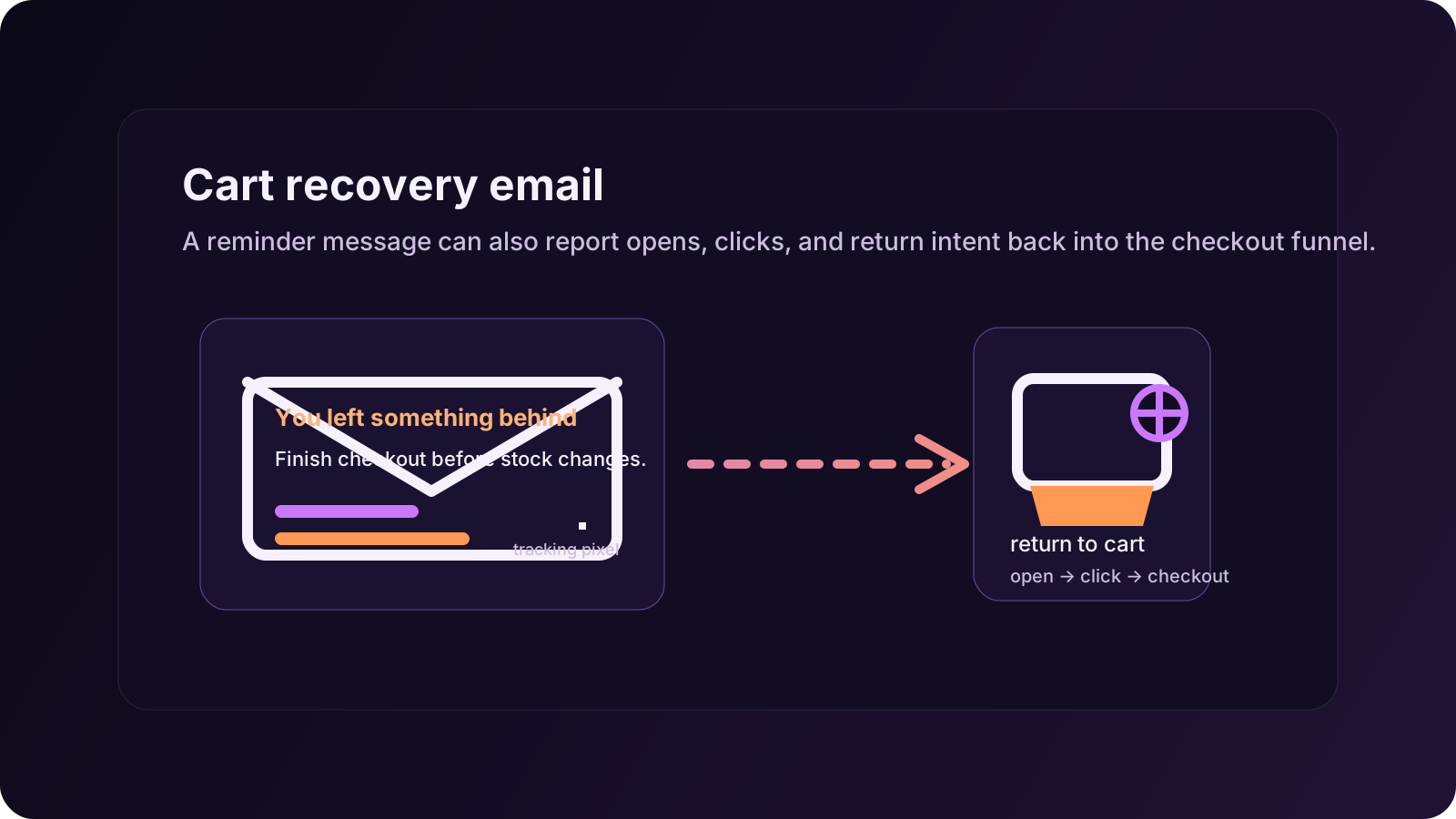
The abandoned-cart email is usually framed as a convenience feature. You looked at a product, paused, and the store politely reminded you to come back. But those messages can do more than restore a cart. They can also reveal when the recipient opened the email, whether they clicked, and how quickly they returned to finish the purchase. In other words, the reminder can become another observation point in the same decision funnel that produced the cart in the first place.
Baymard's cart-abandonment research explains the commercial incentive. Checkout abandonment remains common, which is why cart recovery became a standard ecommerce practice instead of a niche tactic. When merchants know so many carts go unfinished, every reminder message becomes valuable. It is a second attempt not just to recover revenue, but to learn which people still look persuadable after the first hesitation moment.
Mailchimp's documentation on open tracking makes the measurement layer explicit. The company explains that open tracking uses a tiny, transparent graphic image embedded in a campaign email so the sender can track opens. That detail matters because it turns an ordinary retail reminder into a behavioral signal. Once the store knows that the email was opened, ignored, or clicked quickly, the message is no longer only a prompt. It is also feedback about timing, attention, and likely return intent.
Apple's Mail Privacy Protection shows why this became controversial enough to trigger product-level defenses. Apple says the feature helps prevent senders from learning when a recipient opens an email and masks the IP address so it cannot be linked to other online activity or used to determine location. Apple would not need to hide those details if email had remained a simple inbox channel. The protection exists because marketers had come to rely on email opens and related metadata as actionable tracking signals.
Pew Research Center's privacy findings help explain why consumers often experience these flows as creepier than merchants expect. Most people already feel low control over how companies use their data. So when a shopper gives an email early, receives a precisely timed reminder, and then lands back in a highly instrumented cart, the interaction can feel less like service and more like a stitched behavioral loop. The email is no longer separate from the website. It becomes part of the same profiling and conversion system.
That is why pixel tracking in ecommerce email deserves privacy attention. A cart reminder can still be useful, but usefulness does not erase the measurement layer hiding inside it. cloak's shopping-first lens is valuable here because the question is easy to understand: what extra information did the reminder generate, and how did that feed the return session? A real defense product should make that handoff visible instead of treating the inbox as outside the privacy story.