
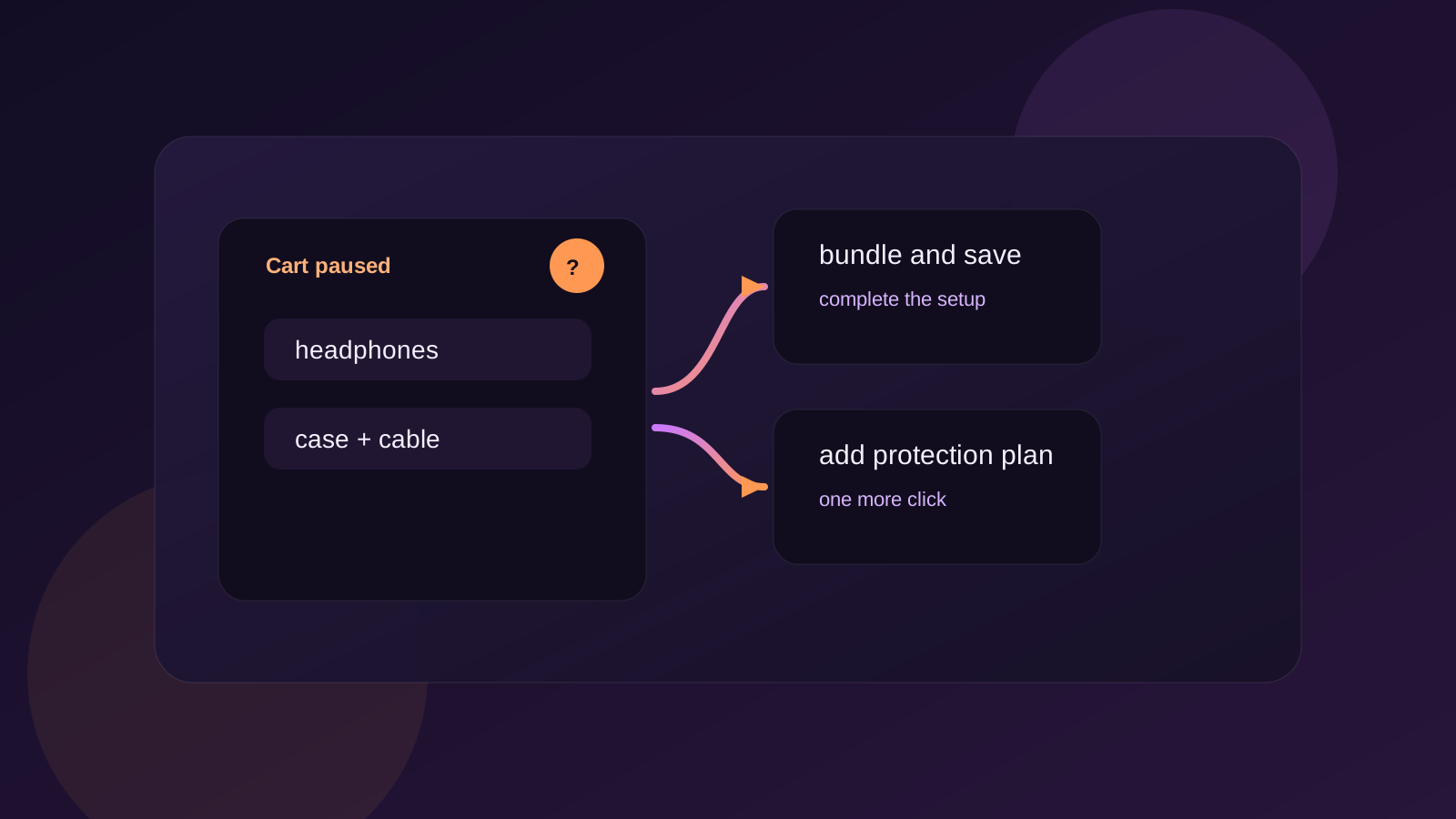
When a shopper pauses, a merchant does not only see delay. It often sees information. Hesitation can mean price sensitivity, uncertainty, gift shopping, fatigue, or simple comparison behavior. That makes the moment commercially interesting, which is why so many sites answer it with bundle prompts, warranty offers, upgraded shipping, limited-time add-ons, or one-click extras that appear right when the person looked ready to slow down.
Baymard's long-running cart-abandonment work helps explain the incentive. Incomplete carts are a huge source of recoverable revenue, so merchants spend heavily on tactics that keep the basket moving or raise the order value before the user leaves. Bundles and add-ons are a natural move in that playbook because they can reframe hesitation as an upsell opportunity: if the person is not ready to buy the original basket, maybe a package, accessory, or protection plan can either change the perceived value story or squeeze a little more out of the session before it ends.
The FTC's dark-patterns report gives the tactic a broader consumer-protection frame. The agency describes design practices that can steer, pressure, or manipulate decisions by making one path easier, more prominent, or more emotionally loaded than the alternatives. Bundle prompts and post-hesitation add-ons are not automatically illegal or deceptive, but they often live close to that line when the design is built to collapse reflection rather than support a calmer choice.
The surveillance-pricing inquiry makes the data angle harder to ignore. The FTC said some systems can use browsing history, shopping history, demographics, location, and related information to influence how people are treated. In a world like that, hesitation is not just a UX event. It can become an input into testing logic about what offer to show next, which extra to surface, or how aggressively the interface should try to rescue the sale.
That is why these bundle moments can feel strangely personal. The site is not only merchandising. It is reacting. A pause can trigger a more expensive package, a better-looking discount frame, or an add-on sequence that makes the original choice feel incomplete. The pressure is subtle because it arrives disguised as help: complete your setup, protect your purchase, do not miss the better value, grab the full kit while you are here.
cloak should treat those moments as part of the privacy and autonomy story. A privacy tool cannot stop every accessory offer, but it can help the shopper see when hesitation is being harvested as leverage. That is the real issue underneath the extra tiles and bundle cards: the page has learned enough to know the person slowed down, and it is trying to use that moment against them.