
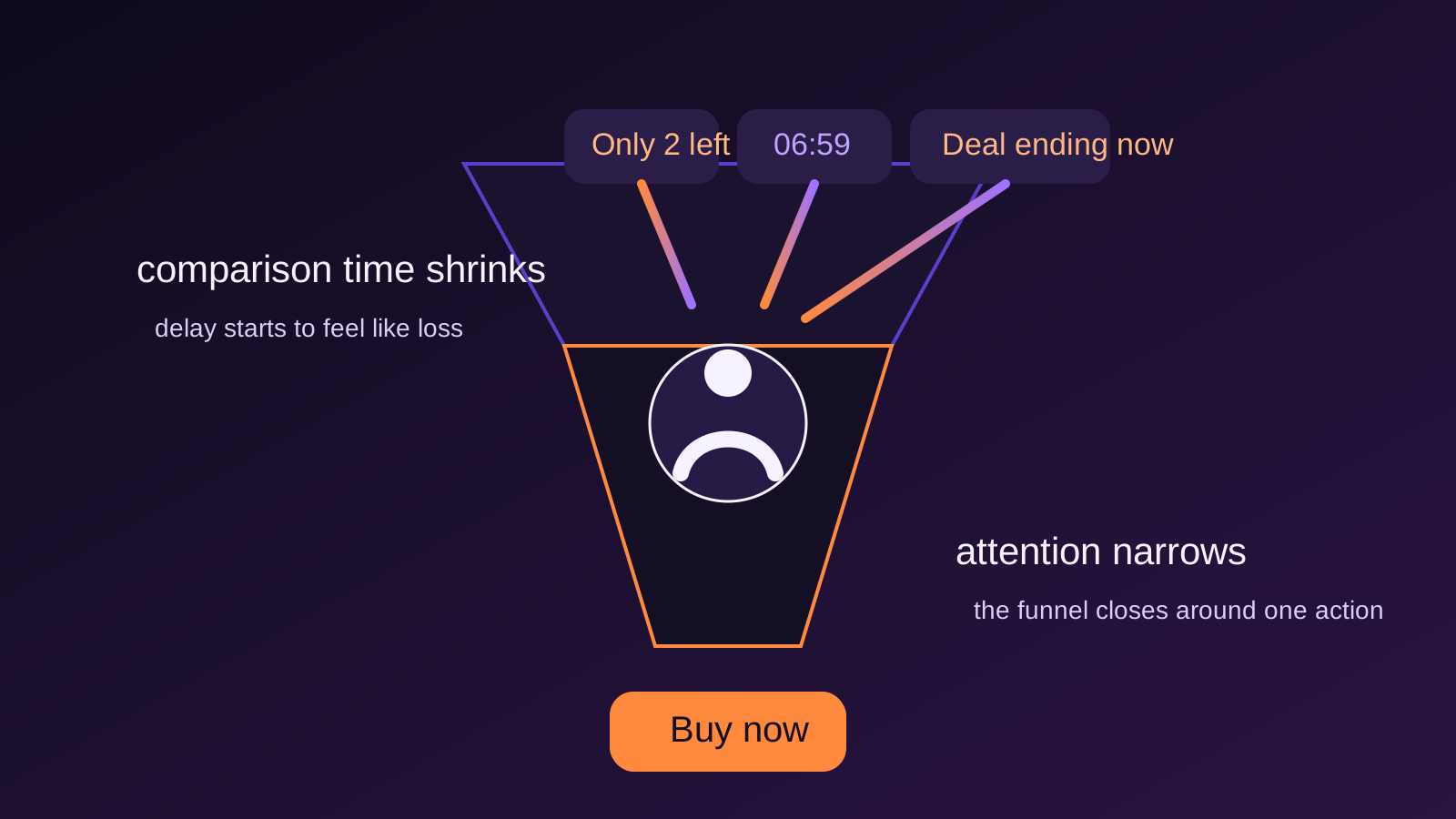
Checkout pressure is effective for a simple reason: it changes the decision before it changes the price. A shopper can arrive intending to compare calmly and leave five minutes later feeling that waiting itself has become expensive. Timers, low-stock claims, expiring discounts, and repeated reminders all work by narrowing the mental frame around one outcome: finish now before something gets worse.
The FTC's report Bringing Dark Patterns to Light is a strong guide because it treats design pressure as a consumer-protection issue rather than a mere copywriting choice. The report describes interfaces that steer, coerce, or manipulate people toward outcomes they might not otherwise choose. Checkout pressure belongs in that family because it does not need to lie outright in every case. It only needs to make pause, comparison, or exit feel unnaturally costly in the moment.
The UK Competition and Markets Authority's online hotel-booking case helps make that dynamic concrete. The case focused on practices such as pressure-selling messages and misleading claims about scarcity or popularity. Those details matter because they show how the psychology of pressure is built into ordinary shopping surfaces. A page does not need cinematic persuasion. It just needs enough cues to make the shopper feel that availability is slipping away faster than it really is.
There is also a data layer underneath the psychology. The FTC's surveillance-pricing inquiry signals that firms may use browsing behavior, purchase history, demographics, and location to influence what people are shown or charged. That means pressure does not have to be one-size-fits-all. The same urgency mechanic can become more potent when it is placed after hesitation, repeat visits, or other signals that suggest a shopper is close to converting but still unsure.
This is why checkout pressure can keep working even when people know the trick. Knowing that a timer is manipulative does not fully restore the time, attention, or energy the page is taking away. A tired shopper at the end of a long comparison session is still vulnerable to anything that turns one more minute of thinking into the feeling of losing ground.
Pew's privacy research helps explain the final ingredient: distrust and low control are already the emotional background of the modern web. When a checkout page feels adaptive, impatient, and strangely well-timed, shoppers often experience it less as ordinary marketing and more as a system leaning on whatever it learned. cloak's role is to interrupt that moment with visibility. The psychology works best when the pressure stays ambient and unspoken.