
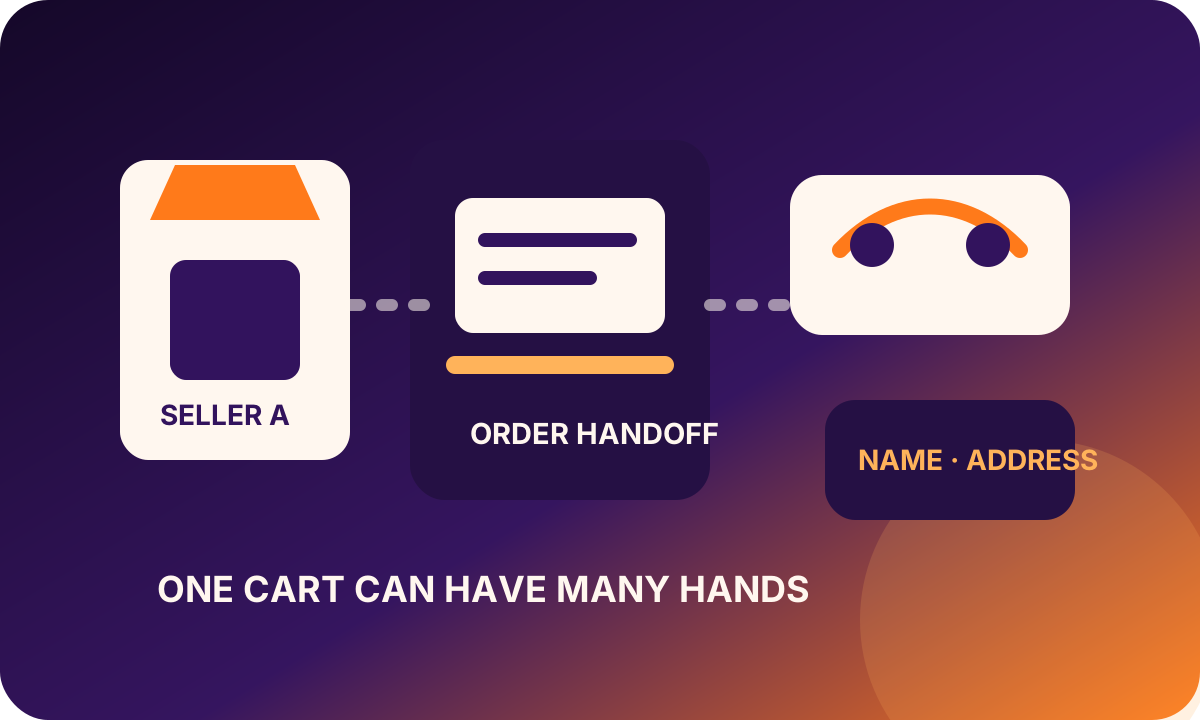
Marketplace seller privacy risk begins with a mismatch in perception. A shopper may think they are buying from one large platform because the search page, cart, payment flow, and confirmation email all use the same brand. In reality, the item may be sold or fulfilled by a third-party seller that needs some information to ship the order, answer questions, handle returns, or manage fraud. The privacy question is how much information moves to that seller, how long it stays there, and whether the shopper understands the handoff.
The handoff can include more than a product name. Depending on the marketplace and fulfillment model, a seller or service provider may see recipient name, shipping address, delivery instructions, order ID, phone or masked contact channel, return reason, message history, product variation, review content, and timing clues. For ordinary household items that may feel low stakes. For health products, fertility items, safety devices, political books, children's goods, or gifts, the same order details can reveal sensitive context.
NIST's Privacy Framework is useful because it focuses on data processing across systems, not only on the first company a user recognizes. A marketplace purchase involves platform, seller, payment, fulfillment, shipping, analytics, support, and sometimes advertising systems. Privacy risk grows when those actors can link data, infer identity, or use information outside the transaction. The shopper cannot manage that risk if the purchase page makes the seller relationship feel invisible.
The FTC's guidance for protecting personal information gives the business side a practical baseline: collect what is needed, limit access, store data securely, dispose of what is no longer needed, and train people who handle customer information. Those practices matter for sellers as much as platforms. A small seller with exported order spreadsheets, shared inboxes, or manual return workflows can create exposure even when the marketplace brand itself has stronger controls. Trust should not depend on the weakest downstream copy of an order.
Data minimization matters here too. The CPPA's advisory says collection and use should be reasonably necessary and proportionate to the disclosed purpose. A seller may need shipping details to send a package. It does not automatically need to keep a permanent customer list, reuse buyer addresses for off-platform marketing, or combine marketplace orders with unrelated advertising data. If the platform can mask contact information or mediate support, that may reduce unnecessary exposure without blocking service.
Consumers can reduce risk by checking who actually sells and fulfills the item before buying. For sensitive purchases, prefer vendors with clear privacy policies, platform-fulfilled options, pickup choices, or direct checkout from a trusted retailer when that reduces unnecessary parties. Avoid sending sensitive context through seller messages unless it is necessary. Think carefully before posting reviews that reveal health, family, location, or use-case details. A review can become another public or seller-visible data point attached to the transaction.
Platforms and sellers can make the experience safer by making seller identity obvious before checkout, limiting the customer fields exposed to sellers, masking contact channels, setting retention limits for order exports, and separating support records from marketing. Return workflows should ask for only the information needed to process the return. Seller tools should make privacy-preserving defaults easier than bulk downloading customer data. The platform should not make shoppers do forensic work to understand where their information goes.
cloak's active-defense role is to surface the invisible handoff. If a marketplace page looks like one store but sends order details to a separate seller, cloak should explain that before the purchase is final. It should flag sensitive categories, unnecessary seller messaging, and review prompts that reveal more than the product rating requires. It should also make off-platform contact, unusual return instructions, unclear fulfillment responsibility, and requests for unnecessary photos or identity documents easier to spot. The goal is not to scare people away from marketplaces. It is to keep convenience from hiding the number of hands that may touch a shopper's identity, address, and intent.